
UNESCO World Heritage Sites in Japan: Culture, Nature and Preservation
 By Robson Caitano · Updated
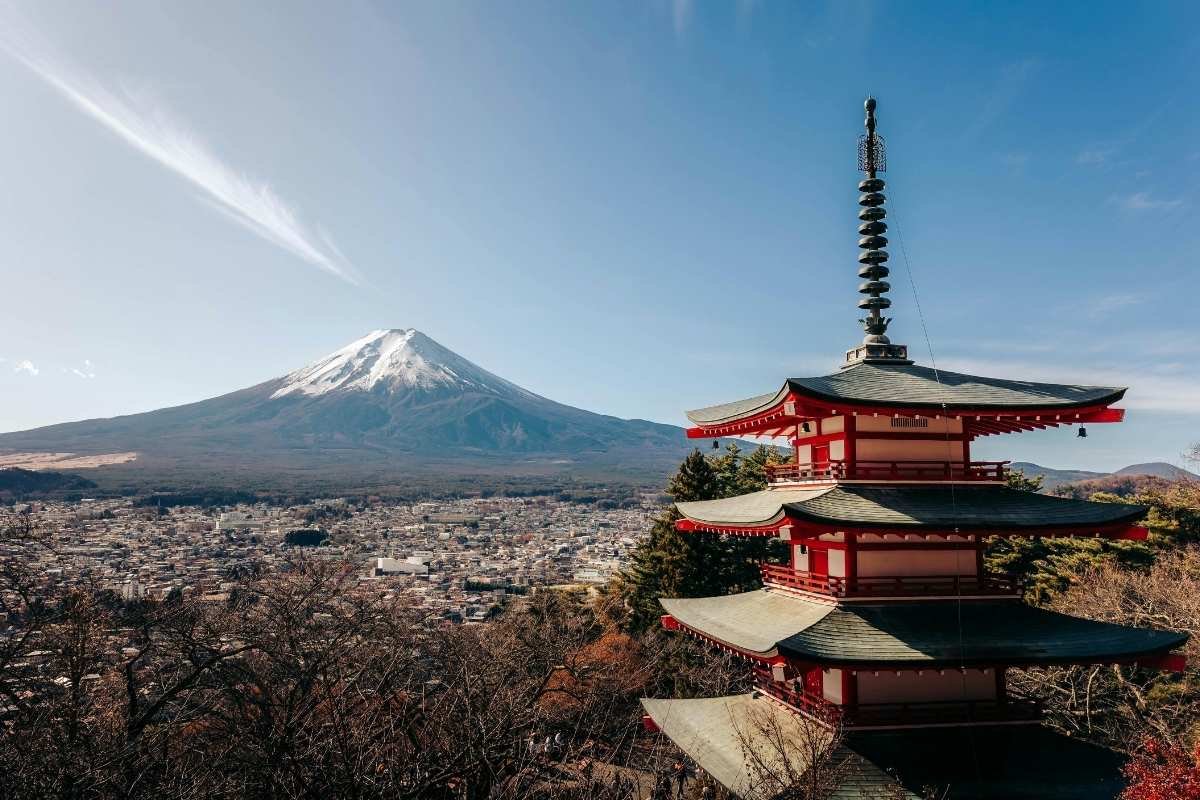
Japan’s UNESCO World Heritage Sites reveal a country shaped by religious traditions, architectural craftsmanship, community life and distinctive natural environments.
In Kyoto, historic temples and gardens illustrate centuries of artistic development. At Mount Fuji, pilgrimage routes and sacred places connect a volcanic landscape with spiritual and artistic traditions. On Yakushima, ancient forests are protected for their ecological importance.
These places also show that heritage is not preserved automatically. Historic buildings require skilled maintenance, natural areas need protection, and destinations must manage the effects of visitors while supporting local communities.
Here is a closer look at several UNESCO World Heritage Sites in Japan and the stories behind them.
What is a UNESCO World Heritage Site?
A World Heritage Site is a place recognized by UNESCO’s World Heritage Committee for its outstanding universal value. Sites may be designated for their cultural significance, their natural importance or a combination of both.
Japan’s World Heritage properties include temples, castles, historic villages, sacred landscapes and protected natural areas.
The designation does not mean that every building or landscape within a destination is covered. Some properties consist of several separate components, while others protect a defined part of a larger area. The official UNESCO listing for each site explains what is included.
1. Historic Monuments of Ancient Kyoto
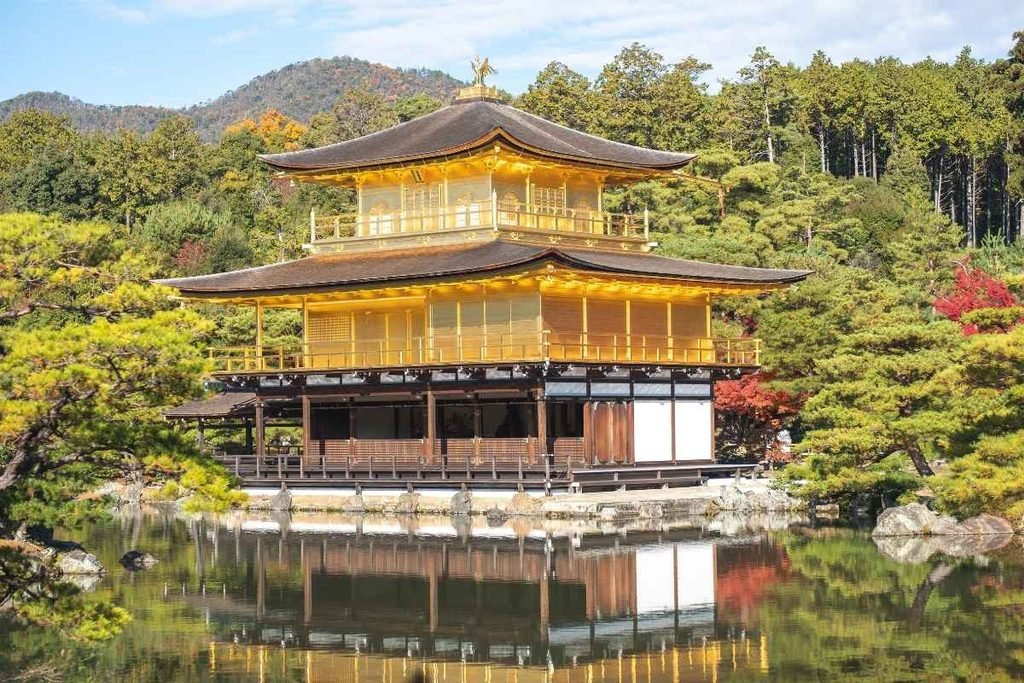
Kyoto served as Japan’s imperial capital for more than a thousand years. Its historic temples, shrines and gardens provide a record of Japanese architecture and landscape design across different periods.
The UNESCO property called Historic Monuments of Ancient Kyoto consists of 17 components located across Kyoto, Uji and Otsu. Together, they illustrate the development of religious architecture and gardens rather than representing a single complex.
Why it matters
The property brings together examples of wooden architecture and garden design in a city that was a cultural center for centuries.
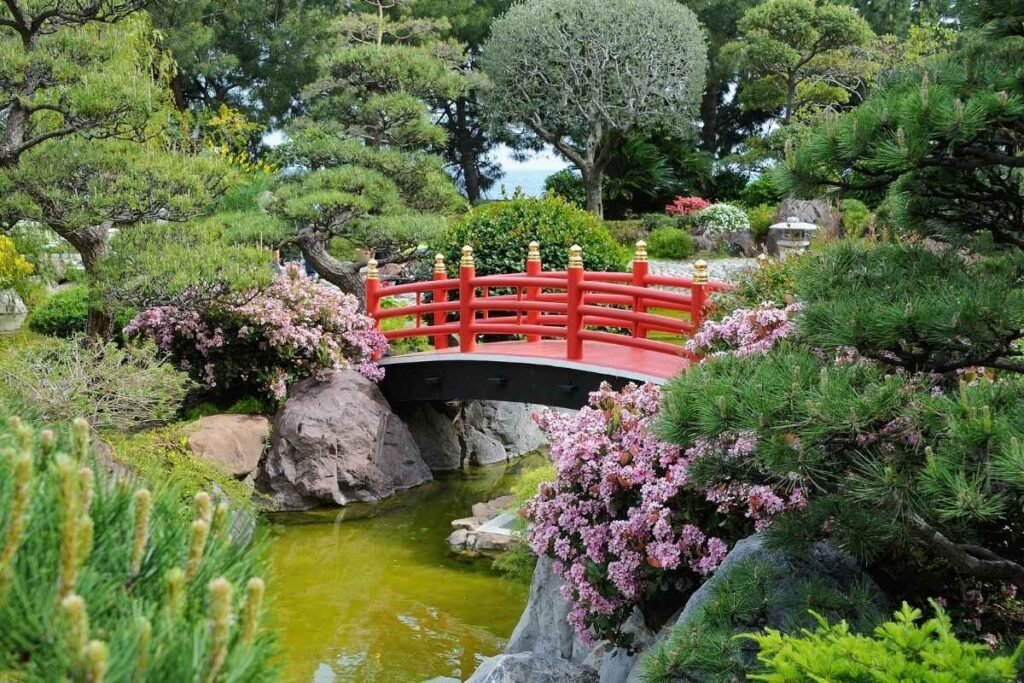
Its preservation also demonstrates that a garden is a living work. Plants grow, materials change and landscapes require continuing care. UNESCO notes that garden conservation has been supported through research and conservation work alongside the protection of buildings.
How to experience it
Choose a few sites that reflect your interests rather than trying to see all 17 components in one day. At each stop, notice how buildings and gardens relate to one another.
For more context on garden styles, see our guide to [traditional Japanese gardens](/japan/traditional-japanese-gardens/).
2. Fujisan: sacred place and source of artistic inspiration
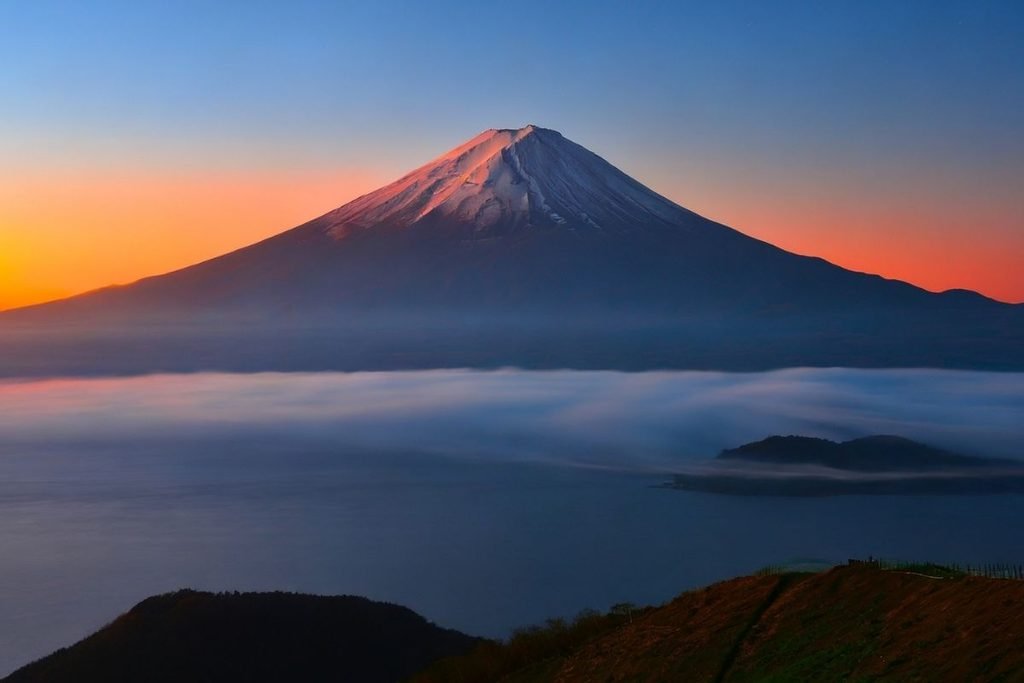
Mount Fuji is one of Japan’s most recognizable landscapes. Its UNESCO designation, however, focuses on more than the mountain’s appearance.
The property is recognized as a cultural site because of its importance as a sacred place and source of artistic inspiration. Its components include pilgrimage routes, shrines and places around the mountain associated with spiritual traditions.
Why it matters
For centuries, Mount Fuji inspired pilgrimage, religious practice, poetry and visual art. Its form became especially widely known through Japanese woodblock prints, including works by Katsushika Hokusai.
The designation illustrates how a natural feature can hold cultural significance through the meanings and practices associated with it.
How to experience it
You can appreciate Mount Fuji through its surrounding landscapes and cultural sites as well as through climbing. Exploring a shrine or learning about historic pilgrimage routes provides context for the views.
For any hike, check current official guidance, access conditions and local rules before planning your route.
3. Itsukushima Shinto Shrine
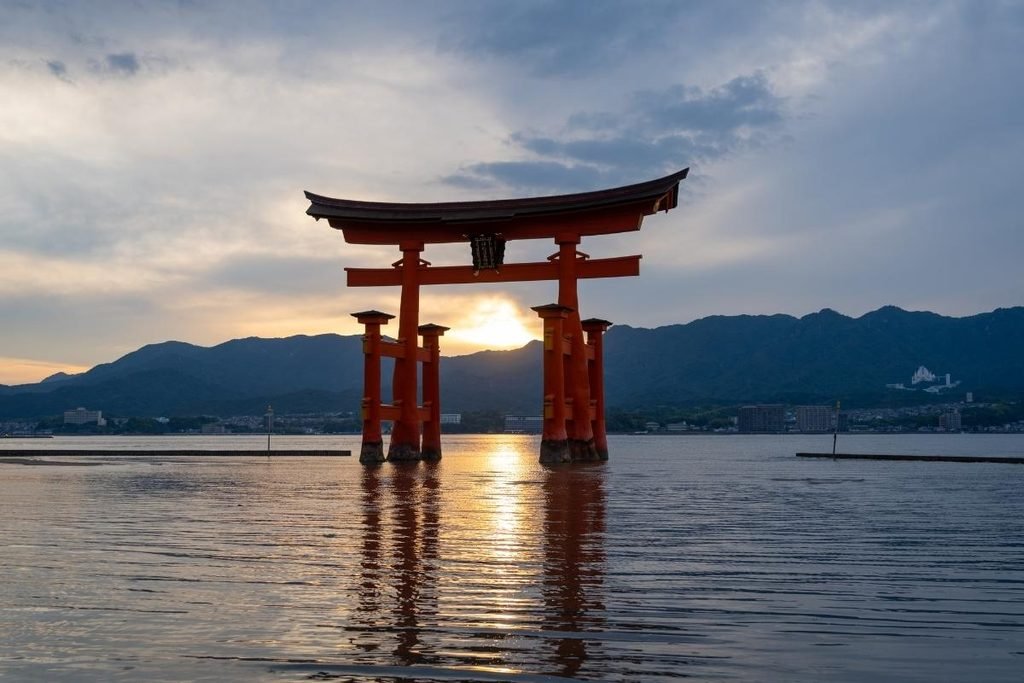
On the island of Itsukushima, also known as Miyajima, Itsukushima Shinto Shrine is closely connected to its coastal and mountainous setting.
The shrine’s buildings form part of a landscape in which the sea and the forested slopes contribute to the site’s religious and visual character. Its architecture reflects a long Shinto tradition in which a natural feature can be central to worship.
Why it matters
Itsukushima demonstrates the relationship between religious architecture and the environment around it. UNESCO’s protected property includes both shrine structures and a forested area around Mount Misen.
The shrine is also a living religious place. Its heritage value includes the continuing care and use of the site, alongside its historical architecture.
How to experience it
Allow time to observe the shrine in relation to the water and surrounding landscape. Tide conditions change the appearance of the setting throughout the day.
Follow local guidance during worship and move through the site with consideration for people visiting for religious reasons.
4. Historic Villages of Shirakawa-go and Gokayama
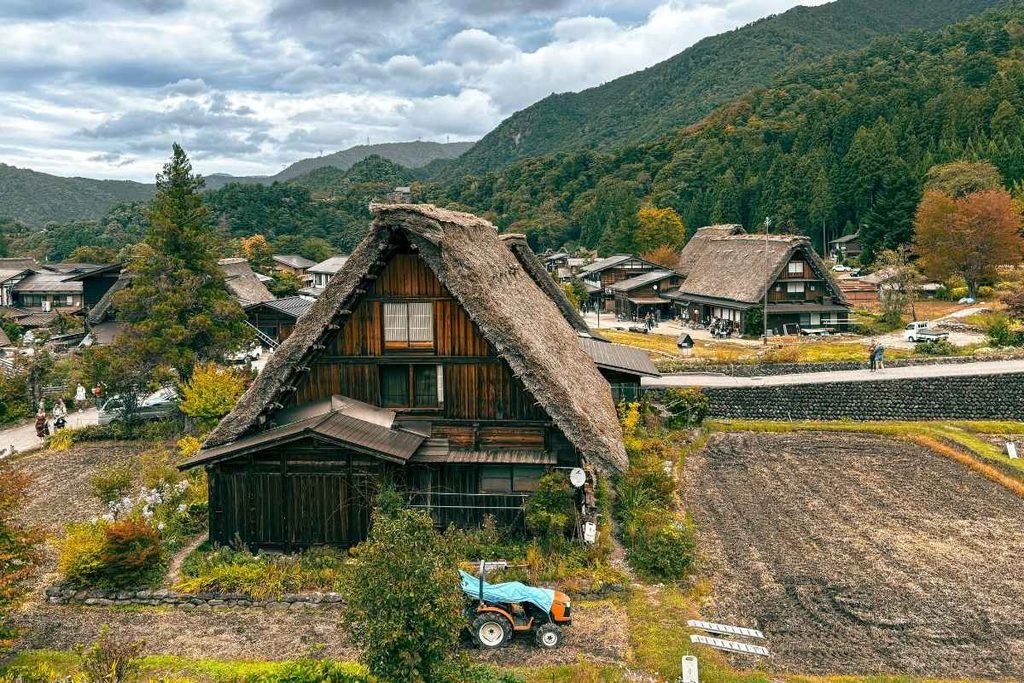
The historic villages of Shirakawa-go and Gokayama are known for their steeply pitched, thatched gassho-style houses.
These buildings developed within mountain communities where climate, resources and daily work shaped the local architecture. Their roofs have become the most recognizable feature, but the villages’ significance also includes the knowledge needed to care for them.
Why they matter
The houses are examples of traditional building adapted to a particular environment. UNESCO also highlights the role of cooperation among residents in maintaining thatched roofs.
Preservation here depends on people as well as buildings. Skills, materials and local participation all contribute to keeping the villages alive.
How to experience them
Remember that the villages are communities as well as heritage destinations. Stay on public routes, respect private property and follow local guidance when taking photographs.
A visit is more informative when it includes the history of the buildings and the work of maintaining them—not just their appearance from a viewpoint.
5. Himeji Castle
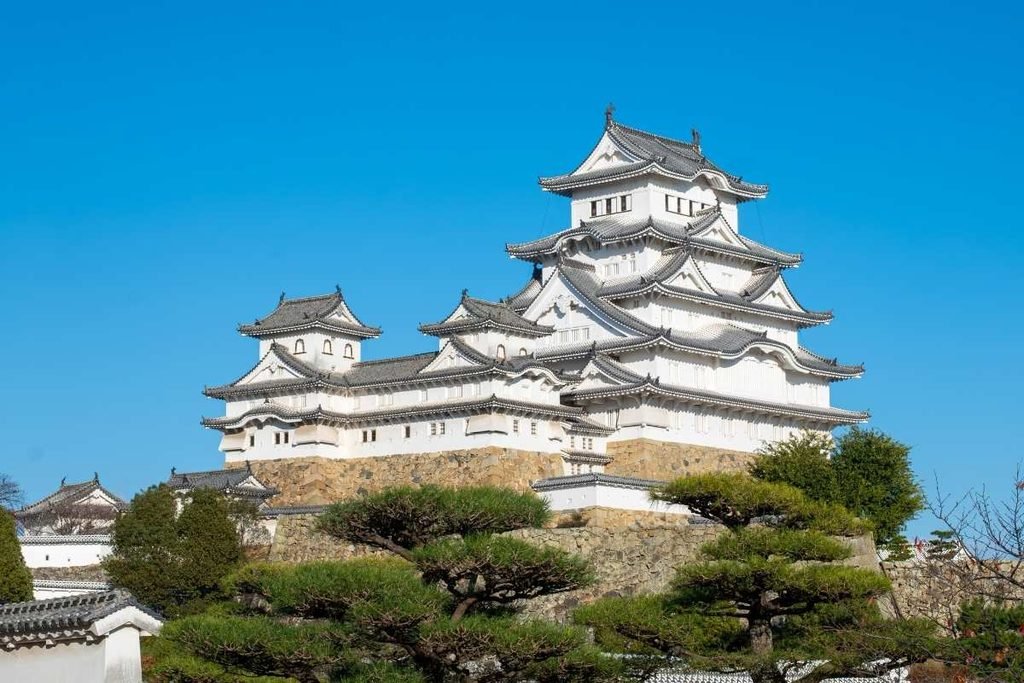
Himeji Castle is a major example of Japanese castle architecture from the early 17th century.
Its white exterior, layered roofs and extensive defensive layout combine practical construction with a carefully composed appearance. UNESCO recognizes the castle as a significant surviving example of Japanese wooden architecture.
Why it matters
The castle demonstrates how defensive planning, craftsmanship and visual design could work together.
Its preservation also illustrates the continuing work needed to care for wooden structures and their protective surfaces.
How to experience it
Look beyond the main keep. Gates, paths and walls help explain how visitors and defenders moved through the castle complex.
Inside, changes in floor level and narrow spaces can make the building’s defensive purpose easier to understand. Check current accessibility information before visiting if stairs are a concern.
6. Hiroshima Peace Memorial
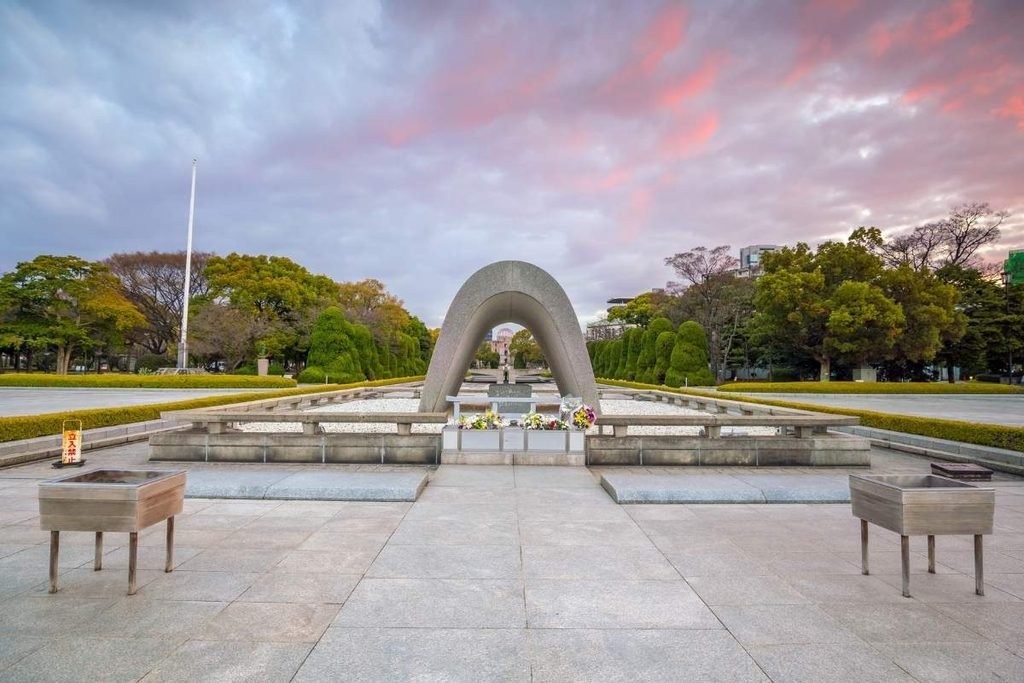
The Hiroshima Peace Memorial, commonly known as the Atomic Bomb Dome or Genbaku Dome, preserves the remains of a building near the site where the atomic bomb exploded on August 6, 1945.
Its significance differs from that of a palace or garden. It stands as a physical reminder of the destruction caused by nuclear weapons and of the importance of remembrance.
Why it matters
The memorial connects a surviving structure with the human consequences of the bombing and the wider history of the Second World War.
The surrounding peace memorial area provides context for understanding the building and the experiences of people affected by the attack.
How to experience it
Approach the site as a place of remembrance. Give yourself time to learn about the events and listen to the personal histories presented through local interpretation.
7. Yakushima
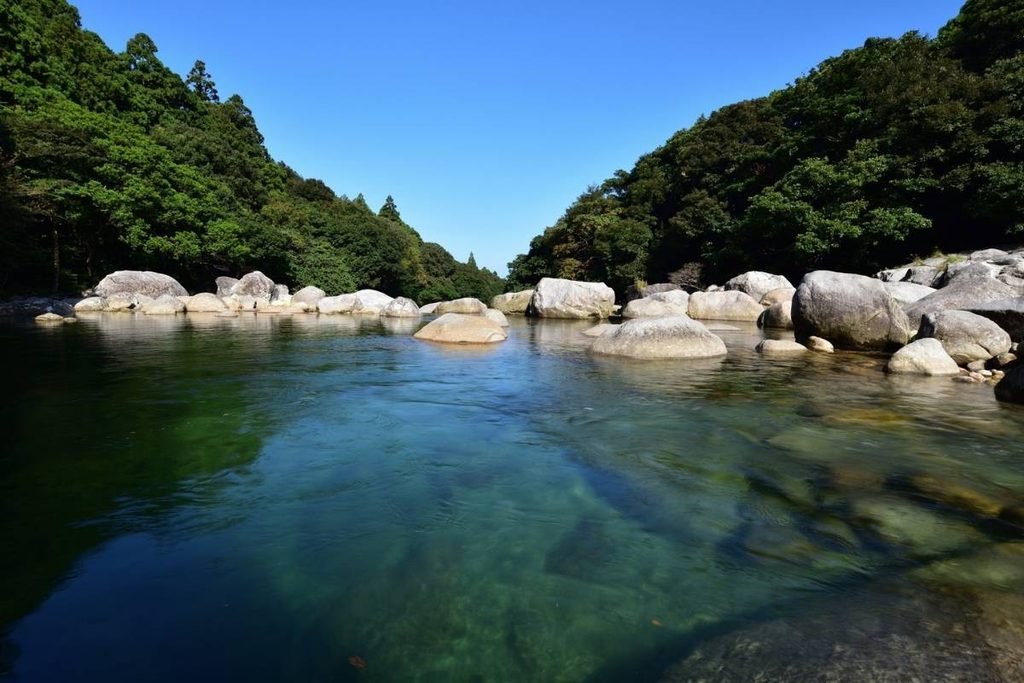
Yakushima offers a different perspective on World Heritage in Japan. Its designation recognizes a natural environment rather than a historic building or cultural landscape.
The protected property includes forests and a range of vegetation extending across different elevations. It is especially known for ancient Japanese cedar trees, including Yakusugi that are more than a thousand years old.
Why it matters
Yakushima’s forests support rich biodiversity and provide opportunities to study ecological processes across a mountainous island environment.
Its World Heritage area covers a defined part of the island; the designation should not be assumed to apply to every location on Yakushima.
How to experience it
Choose an outing suited to your fitness and the weather. Local guides can help visitors understand the forest environment and plan an appropriate route.
Stay on designated paths and follow current local guidance to help protect vegetation and trails.
How are World Heritage Sites in Japan preserved?
Preservation differs according to the place.
For a wooden shrine, it may involve inspection, repairs and protection against fire or storm damage. At a historic village, it can depend on traditional skills and cooperation among residents. In a forest, it involves protecting ecosystems and managing activities within the designated area.
At Itsukushima, the shrine’s management includes routine maintenance and repairs, including work following typhoon damage.
In Kyoto, conservation also extends to gardens. Their appearance depends on continuing care as plants grow and landscapes change.
These examples show why heritage protection is an ongoing process. The work must respond to the materials, environment and uses of each site.
Tourism growth and its impact on heritage
World Heritage recognition can bring international attention to a destination. Tourism can provide opportunities for local businesses, guides and communities, as well as encourage interest in conservation.
Its effects, however, vary by location. An increase in visitors can also create pressure on transport, residential streets, paths and fragile landscapes. UNESCO’s sustainable tourism program emphasizes that management needs to respond to each property’s circumstances and involve local communities.
Around Mount Fuji, UNESCO has identified tourism and development pressure affecting parts of the wider landscape, including areas around the Fuji Five Lakes.
For travelers, the goal is to enjoy these places while being attentive to the people and environments that sustain them.
Tips for visiting Japan’s World Heritage Sites
A little preparation can make your visit more enjoyable and informative.
- Check the official site before traveling. Opening arrangements, access rules and trail conditions can change.
- Allow time for context. Museums, interpretation panels and local guides can explain why a place matters.
- Respect religious and residential spaces. A shrine may be used for worship, while a historic village may contain private homes.
- Follow designated paths. This helps protect gardens, archaeological surfaces and natural habitats.
- Consider local experiences. A knowledgeable guide can connect a site’s architecture or landscape with its history and present-day community.
Frequently asked questions
How many UNESCO World Heritage Sites are in Japan?
The number can change as new properties are added. For the current total and complete list, check
Is Mount Fuji a cultural or natural World Heritage Site?
Mount Fuji is inscribed as a cultural property, recognized for its role as a sacred place and source of artistic inspiration.
Are all of Kyoto’s temples UNESCO World Heritage Sites?
No. The Historic Monuments of Ancient Kyoto property consists of 17 specified components across Kyoto, Uji and Otsu. Other temples and gardens may be historically important without being part of that inscription.
Why are the Shirakawa-go and Gokayama villages important?
They preserve distinctive gassho-style houses and represent traditional knowledge and community practices associated with their upkeep.
Can tourism help preserve World Heritage Sites?
Tourism can create economic benefits and increase public interest in heritage. Its effects depend on how visits are managed and how local communities participate in decisions.
Keep exploring
Traditional Japanese Gardens: Styles, Aesthetic Principles and Cultural Significance
Traditional Japanese gardens bring together plants, stones, water and architecture in carefully composed landscapes. Their character depends on relationships: a branch framing…
Read the guide