
Cultural Heritage Sites in Europe: History, Visitor Experiences and Preservation
 By Robson Caitano · Updated
Europe’s cultural heritage sites tell stories that reach far beyond individual monuments. An ancient amphitheatre reveals how a city organized public entertainment. A palace complex reflects the ambitions of its rulers. A medieval abbey shows how architecture adapted to a remarkable landscape.
These places also continue to change. Some stand within busy modern cities, while others face pressures from weather, tourism or environmental change. Visiting them offers an opportunity to appreciate their history and understand the work required to preserve it.
From Rome’s archaeological center to the tidal bay of Mont-Saint-Michel, here are several cultural heritage sites in Europe and the stories that make them significant.
What is a cultural heritage site?
A cultural heritage site is a place valued for its connection to human history, artistic achievement, traditions or ways of life. It may be a single building, an archaeological area, a historic city or a landscape shaped by generations of people.
Some cultural heritage sites are recognized on UNESCO’s World Heritage List. That designation identifies places considered to have outstanding universal value. Many other places are protected nationally or locally without being listed by UNESCO.
The examples below are all part of World Heritage properties, but their importance takes different forms. Some are valued for architectural achievement, others for their historic urban fabric or their relationship with the surrounding landscape.
1. The Colosseum and historic center of Rome, Italy
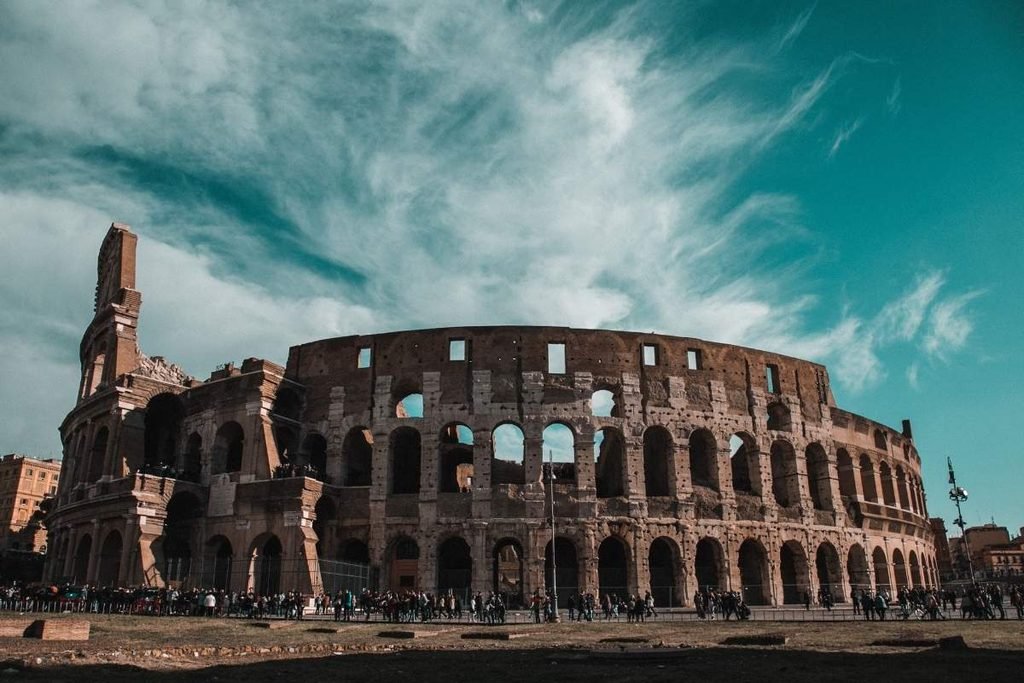
The Colosseum is one of the most recognizable surviving structures of ancient Rome. Built as a public amphitheatre, it hosted spectacles that brought entertainment and imperial power into the same space.
Its engineering is central to its significance. Arches, passages and levels formed part of a building designed to accommodate spectators and support events in the arena.
The Colosseum also belongs to a wider historic setting. UNESCO’s World Heritage property for Rome’s historic center includes ancient monuments such as the Colosseum, the Pantheon and the Forums, alongside buildings and urban spaces from later centuries.
What makes a visit meaningful?
Look at the amphitheatre as a system rather than concentrating only on its exterior. Passages, stairs and viewpoints help explain how people moved through the structure.
Connecting the visit with the Roman Forum and Palatine Hill also provides a broader view of the ancient city.
Continue reading: The Colosseum: Ancient Roman Engineering and Cultural Legacy
2. The Alhambra, Generalife and Albayzín, Spain
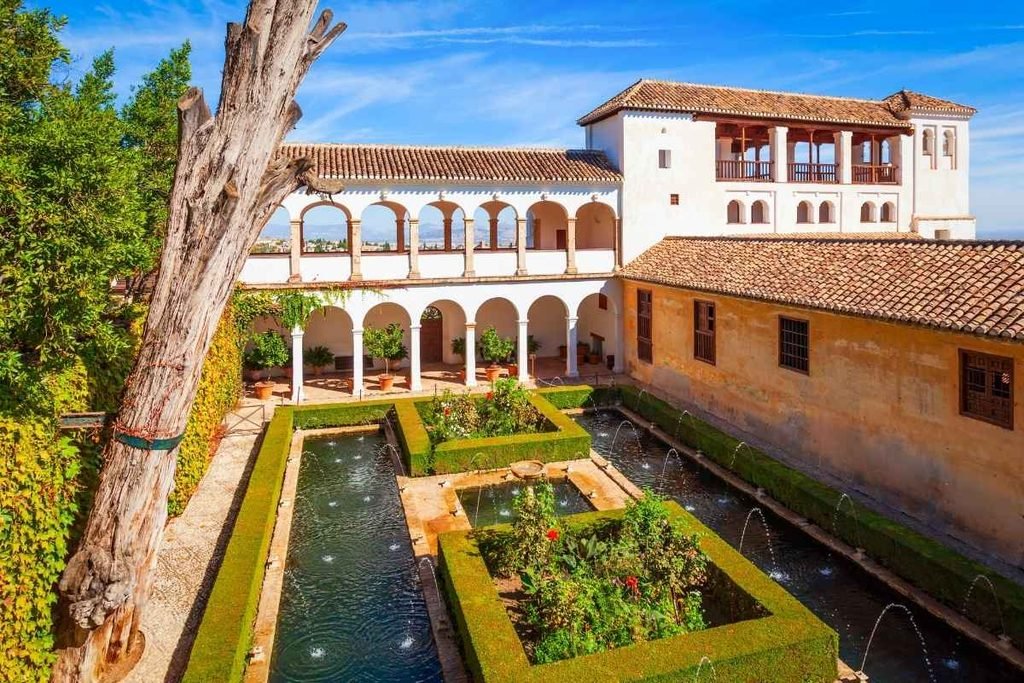
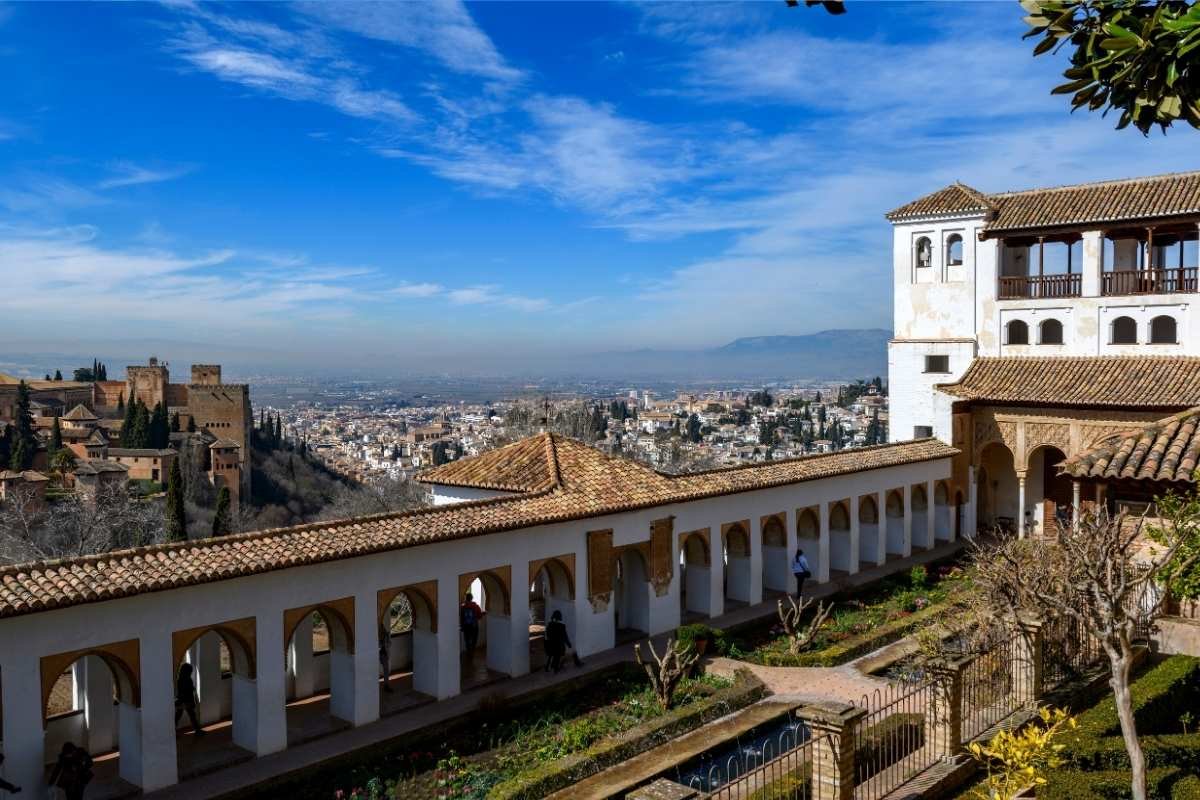
Granada’s Alhambra brings together palaces, defensive structures and gardens associated with the Nasrid rulers of medieval Islamic Spain.
The Generalife, east of the Alhambra, was a rural residence of the emirs. Its gardens add another dimension to the site, showing how water, planting and architecture were combined to create spaces for residence and reflection.
The World Heritage property also includes the Albayzín, a historic neighborhood across the valley. Seeing the two areas together helps visitors understand the Alhambra as part of Granada’s wider urban landscape.
What makes a visit meaningful?
Pay attention to the relationship between enclosed rooms and outdoor spaces. Courtyards, views and water features help explain how the complex was experienced.
A walk through the Albayzín adds another perspective: its streets and viewpoints place the Alhambra within the landscape of the city.
Continue Reading: Alhambra, Granada: What to See, Tickets and Choosing a Guided Tour
3. Mont-Saint-Michel and its bay, France
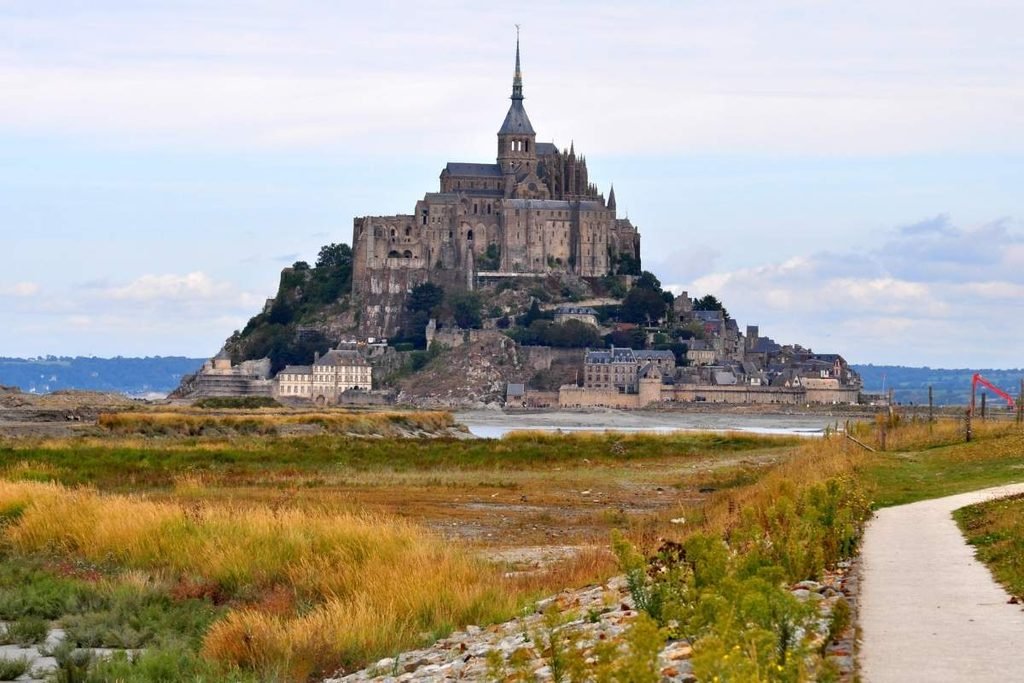
Mont-Saint-Michel is defined by the relationship between its buildings and their setting. A village and abbey rise from a rocky mount surrounded by a bay shaped by powerful tides.
The abbey developed over centuries in response to the challenges of building on a confined site. The surrounding landscape is part of its significance, influencing both the appearance of the mount and the way people have approached it.
What makes a visit meaningful?
Observe the mount from a distance before exploring the village and abbey. The wider view makes it easier to understand how the buildings are arranged around the rock.
Inside the abbey, look for the connections between levels and supporting spaces. The architecture reflects both religious life and the practical challenge of building upward.
The bay’s appearance changes with the tides. Visitors planning a walk across the sands should use a qualified guide familiar with local conditions.
Continue reading: Mont-Saint-Michel: History, Architecture and the Landscape of the Bay
4. Venice and its lagoon, Italy
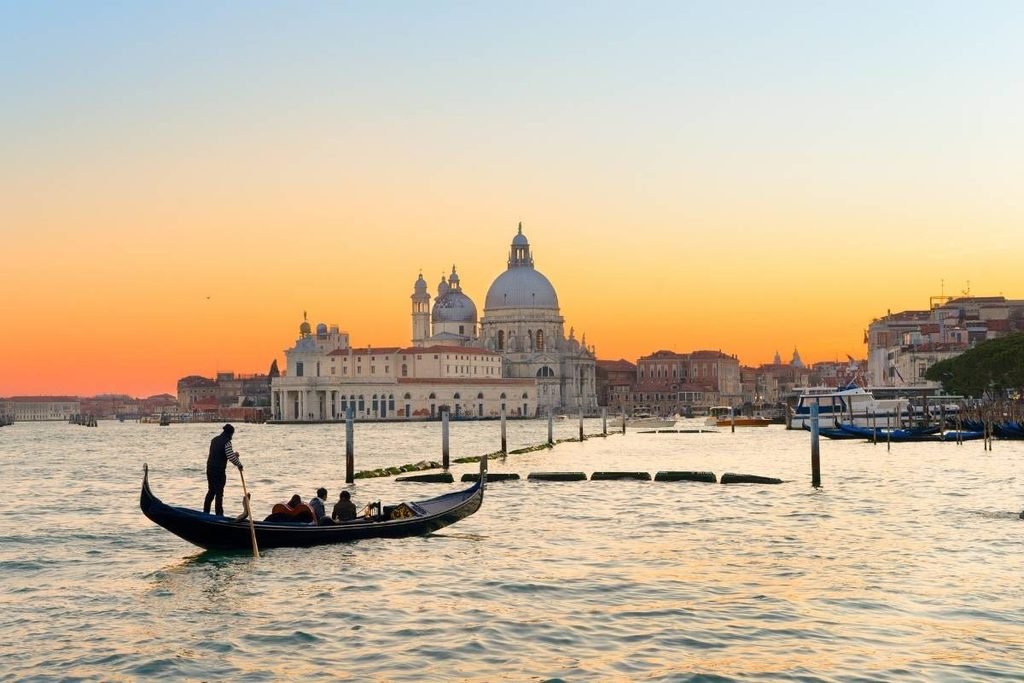
Venice is a cultural landscape shaped by the relationship between a city and its lagoon.
Its canals, buildings and settlements developed in an environment where water has influenced transport, construction and daily life. UNESCO recognizes the World Heritage property as encompassing Venice and its lagoon, rather than a single monument.
This broader perspective matters because preserving Venice involves both its historic buildings and the environmental systems around them.
What makes a visit meaningful?
Explore beyond a single square or landmark. Bridges, waterways and residential streets reveal how the city’s built environment works as a connected whole.
Consider how a building meets the water and how canals function as routes through the city. These details make the relationship between urban life and the lagoon easier to understand.
5. Modernista heritage in Barcelona, Spain
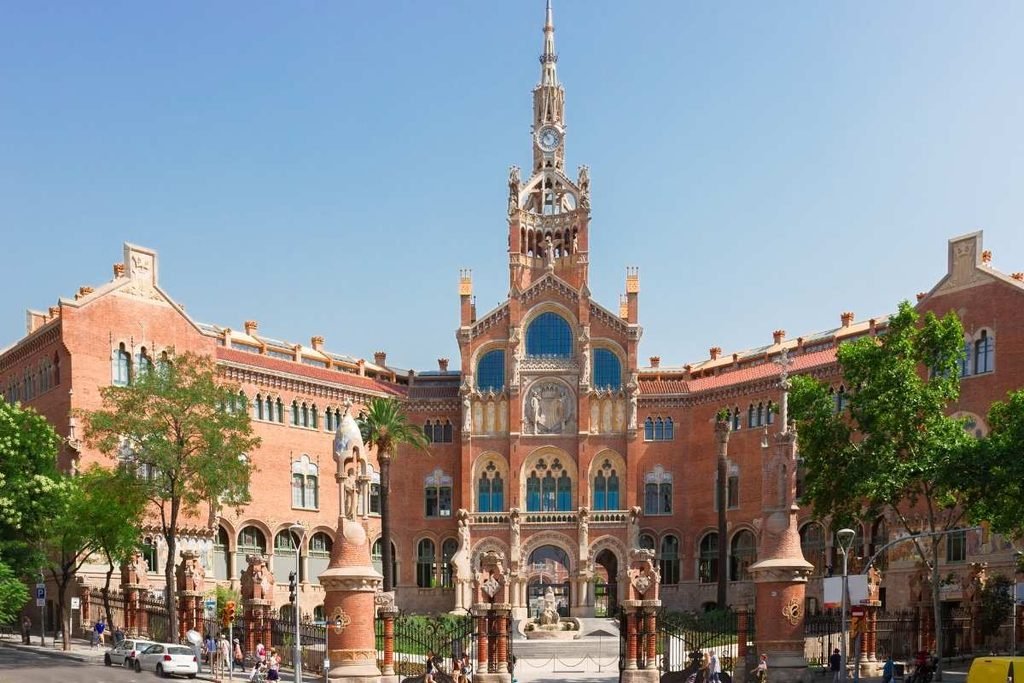
Barcelona’s heritage includes medieval streets and churches as well as buildings from the Catalan Modernisme movement of the late 19th and early 20th centuries.
The Palau de la Música Catalana and Hospital de Sant Pau, designed by Lluís Domènech i Montaner, are recognized together by UNESCO. They demonstrate how Modernista architecture shaped spaces for music and healthcare as well as residential buildings.
Barcelona also preserves a distinctive urban setting in the Eixample, where richly detailed façades stand within a regular street grid.
What makes a visit meaningful?
Compare buildings by different architects instead of looking only for the most familiar works. Notice the use of ceramic, stained glass, stone and iron, and consider how each building relates to its street.
A walk through the Eixample can connect individual landmarks with the city’s broader development.
Continue reading: Barcelona Architecture: Gothic Heritage, Catalan Modernisme and Gaudí
Why cultural heritage sites matter
Heritage sites preserve evidence of decisions made by earlier societies: how they built, worshipped, governed, entertained and adapted to their surroundings.
They can also challenge simplified versions of history. The Colosseum represents an architectural achievement, while its spectacles raise questions about violence and power. Granada’s historic areas reflect cultural exchanges and political changes that cannot be reduced to a single period.
A thoughtful visit leaves room for these complexities. The value of a place can lie in the questions it raises as well as in its visual beauty.
The challenge of preserving heritage
Recognition alone does not keep a historic site in good condition. Preservation requires research, maintenance, funding and decisions about how a place can continue to be used.
Weather and environmental change
Historic materials are exposed to rain, temperature changes, pollution and other environmental pressures. At sites connected to water, such as Venice, the surrounding environment is inseparable from the condition of the built heritage.
UNESCO has identified climate change and human interventions among the pressures affecting Venice and its lagoon.
Tourism and daily life
Visitors can support conservation through admission fees, employment and public interest. High visitor numbers can also place pressure on fragile spaces and affect the lives of people who live or work nearby.
Granada’s heritage management includes measures intended to balance tourism with conservation and reduce pressure on monuments.
The challenge is different at every site. A historic neighborhood remains a place where people live, while an archaeological monument may need carefully managed access to protect vulnerable structures.
Restoration and authenticity
Conservation teams must decide how to repair damage while respecting the historic character of a place. Those decisions can involve protecting original materials, replacing damaged elements or explaining later changes to visitors.
A restored building may therefore contain evidence from several periods. Understanding that history can make the site more interesting: preservation itself becomes part of its story.
How to visit cultural heritage sites thoughtfully
A little preparation can improve both the experience and your understanding of a place.
- Learn the context. A short introduction to a site’s history makes architectural details and interpretation easier to follow.
- Allow enough time. Choose a manageable number of places so you can explore them rather than rushing between entrances.
- Follow site guidance. Barriers, marked paths and photography rules help protect fragile areas and visitor access.
- Consider the surrounding community. Historic streets may also be residential neighborhoods and working spaces.
- Use local interpretation. Guides, museums and official visitor materials can explain details that are difficult to identify independently.
For complex sites, a guided visit can be especially valuable. A knowledgeable guide can connect the building, its historical setting and the people who used it.
Frequently asked questions
What are some important cultural heritage sites in Europe?
Examples include the historic center of Rome, the Alhambra and Generalife in Granada, Mont-Saint-Michel and its bay, Venice and its lagoon, and Barcelona’s Modernista buildings.
Are all cultural heritage sites UNESCO World Heritage Sites?
No. UNESCO recognizes selected places of outstanding universal value. Many other cultural sites are important and protected at national, regional or local level.
Why is preserving historic sites difficult?
Buildings and landscapes change over time. Conservation must address material deterioration, environmental pressures, visitor access and the needs of surrounding communities.
How can visitors help protect heritage sites?
Follow local rules, stay within permitted areas, avoid touching fragile surfaces and respect residents and other visitors. Learning about a site’s history can also make its conservation needs easier to understand.
Is it worth visiting with a guide?
A guide can be useful when a site has several historical periods or when its meaning is difficult to understand from surviving structures alone. Independent visits can also be rewarding when supported by reliable interpretation.