
Turkish Delight: Lokum Flavors, History and What to Try in Turkey
 By admin · Updated
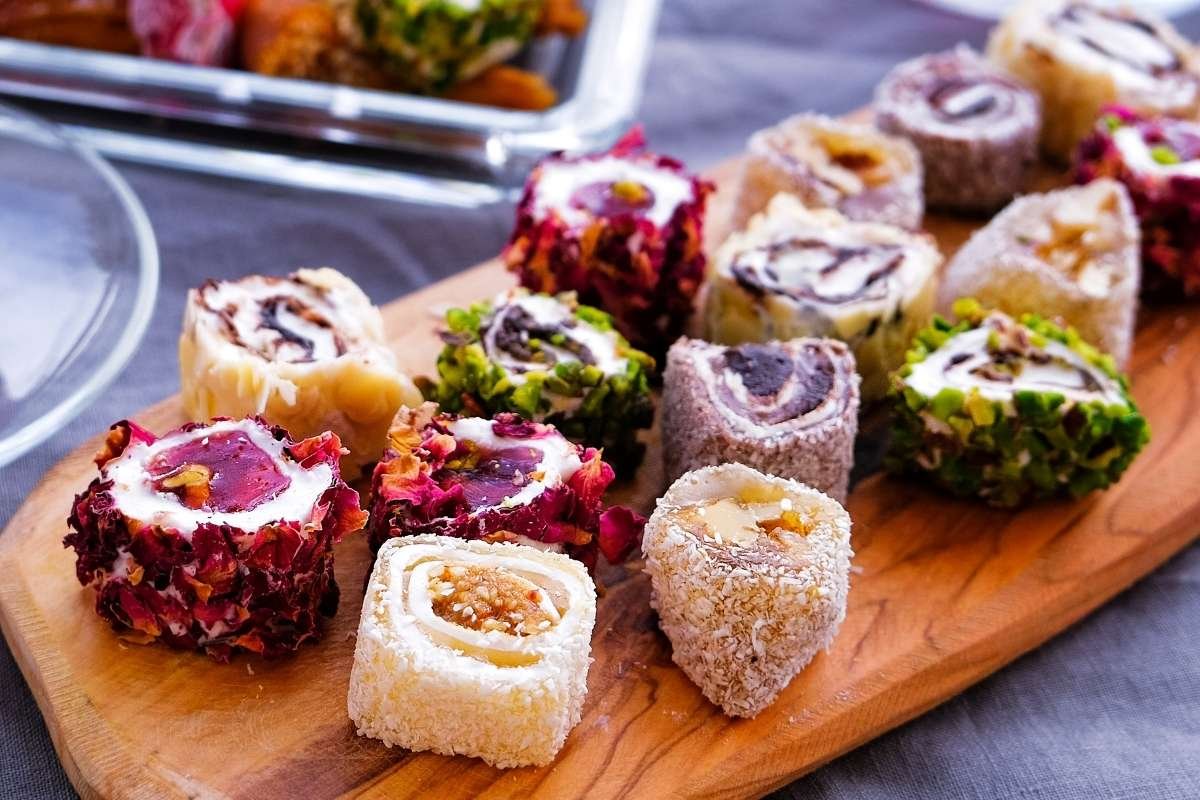
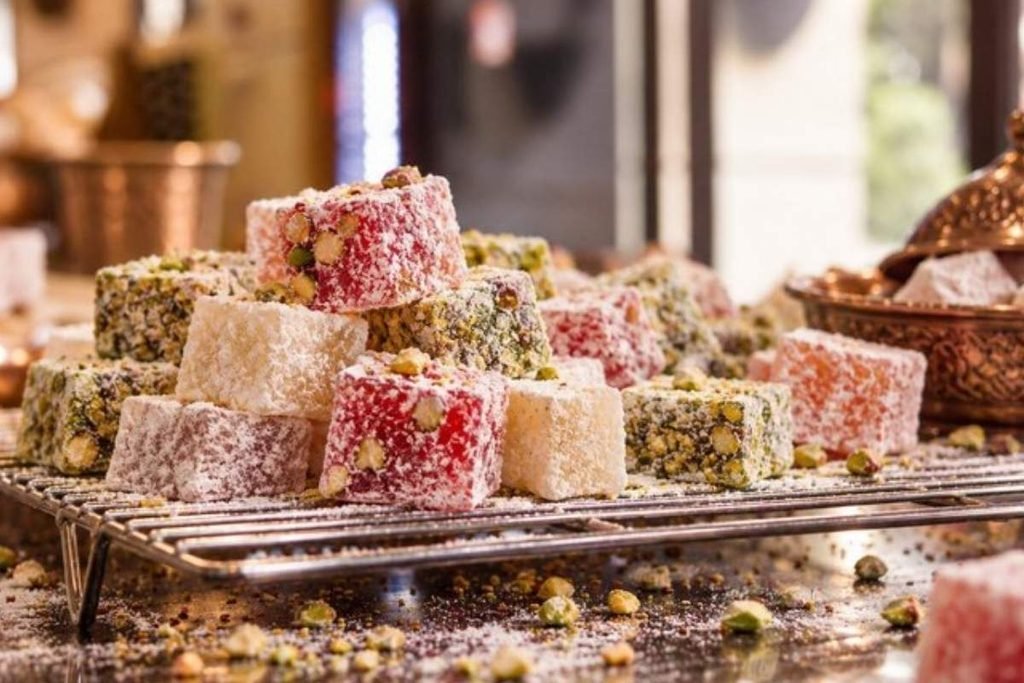
A confectionery counter filled with Turkish delight can turn a quick shopping stop into a tasting experience. Some pieces are delicately flavored, others are packed with nuts, and the differences become much clearer when you try several side by side.
Known in Turkish as lokum, this sweet is worth exploring beyond the familiar souvenir box. Its flavors, textures and producers offer an accessible introduction to Turkey’s confectionery traditions.
Start with a few contrasting varieties, ask how they are made and consider including a tasting in a wider food tour. A guide can help connect what you are eating with the shops and neighborhoods around you.
Explore Istanbul food tours and tasting experiences →
What is Turkish delight?
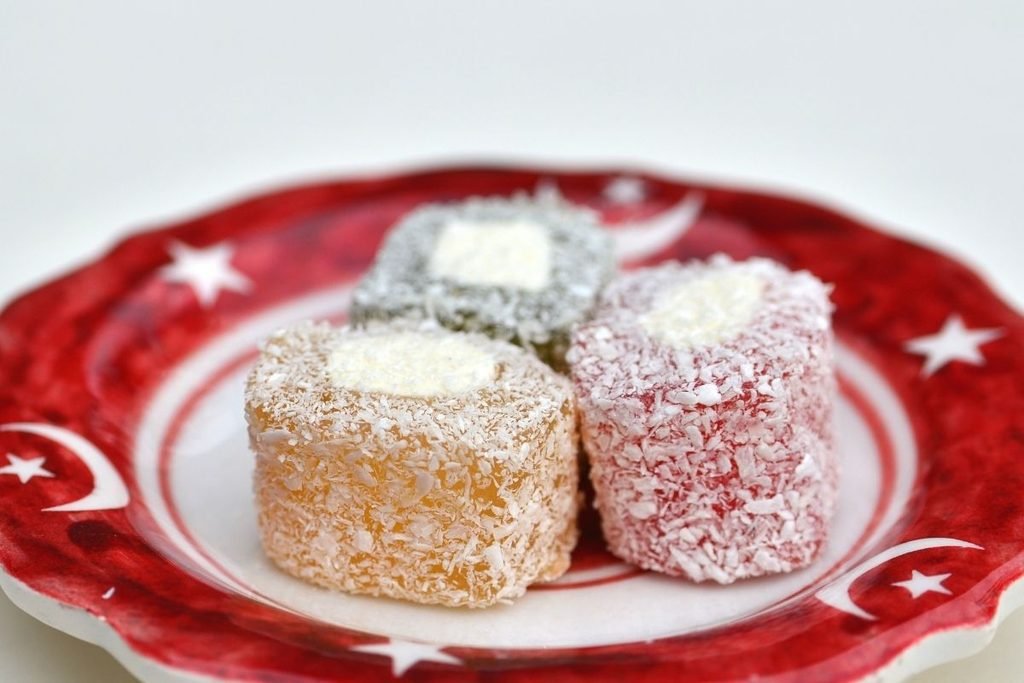
Turkish delight is a soft confection with a gel-like texture, sold in different shapes, flavors and combinations.
Go Türkiye, the country’s official tourism platform, describes traditional flavorings including rosewater, mastic, bergamot and lemon, alongside varieties containing nuts such as pistachios, hazelnuts and walnuts.
The name therefore describes a family of sweets rather than one fixed flavor. If you have tried only a rose-flavored piece, you have sampled one expression of lokum—not the whole range.
For a first tasting, choose a small selection that lets you compare a floral flavor, a citrus flavor and a nut-filled variety.
The history behind lokum
One of the best-known names associated with Turkish delight is Hacı Bekir.
According to the confectioner’s own history, its founder arrived in Istanbul from Araç, Kastamonu, in 1777 and opened a small shop in Bahçekapı, where he produced and sold lokum and other sweets. The company’s story illustrates the long relationship between confectionery, commerce and Istanbul’s food culture.
That documented business history is more useful than treating every colorful origin story as established fact. When visiting a historic producer, ask about the shop’s recipes, techniques and changes over time.
A tasting becomes more memorable when you learn something about the people making the sweets.
Turkish delight flavors to try
Rosewater
Rosewater is a classic starting point. Go Türkiye highlights it as a familiar lokum flavor associated with the country’s culinary traditions.
Choose it if you enjoy floral aromas. If you are unsure, ask for a small taste before buying a larger quantity.
Pistachio
Pistachio lokum is a useful contrast to a simpler flavored piece. It lets you compare the confection’s soft texture with the presence of nuts.
Look at the cut surface and ask the seller to explain the differences between the varieties on display. Rather than judging by appearance alone, choose according to the balance of flavor and texture you enjoy.
Hazelnut and other nut varieties
Hazelnut offers another direction for a tasting, while some producers also offer walnut varieties.
If you are shopping for several people, an assortment can be more interesting than a box containing one flavor. Ask how the pieces will be labeled so you can identify them later.
Mastic, citrus and regional flavors
For a less familiar selection, look for mastic or citrus-flavored lokum.
Regional traditions are worth exploring too. Go Türkiye’s Karabük guide lists Safranbolu varieties including saffron, rose, mastic, hazelnut and double-roasted pistachio, demonstrating how a lokum tasting can reflect the place you are visiting.
If your trip extends beyond Istanbul, ask which varieties the local producers consider characteristic of their region.
What goes into Turkish delight?
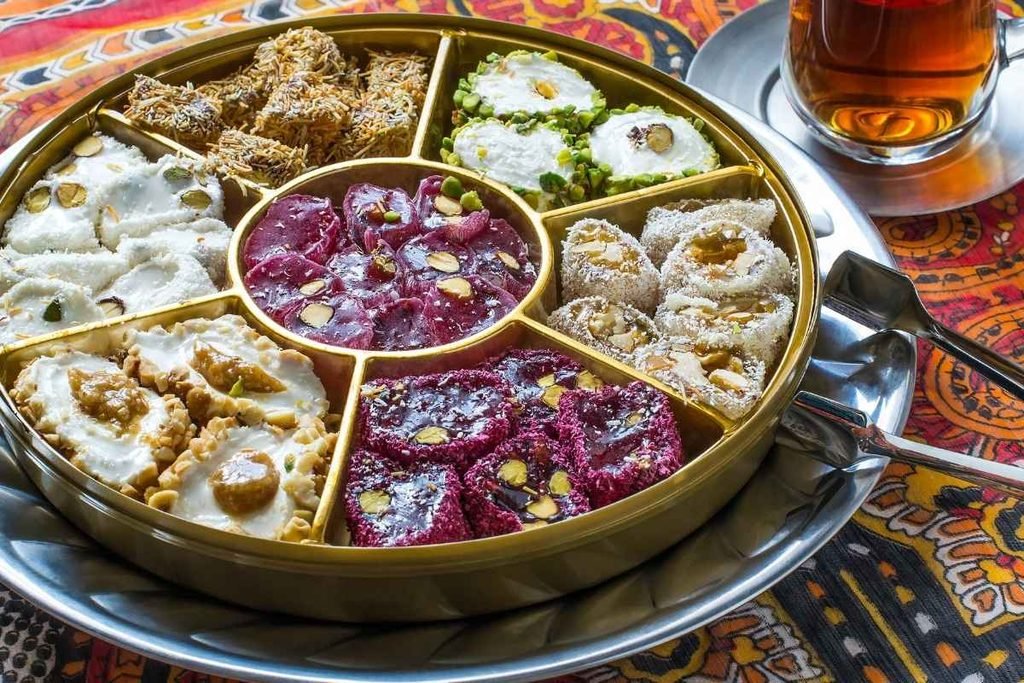
Ingredients depend on the recipe, flavoring, filling and coating. Treat each product individually rather than assuming every piece in a display contains the same ingredients.
When choosing, ask about:
- The base ingredients and flavorings.
- Nuts or other additions.
- The coating.
- Storage instructions.
- The producer and recommended consumption period.
If you have dietary requirements, request the ingredient information for the exact variety you want. Appearance and a general label such as “traditional” are not enough to establish suitability.
How to organize a first tasting
Our suggested tasting sequence is simple:
- Begin with a plain or lightly flavored piece. Notice the texture before moving to a more elaborate variety.
- Try a contrasting flavor. Compare floral and citrus notes.
- Add a nut-filled piece. Pay attention to the balance between the nuts and the confection.
- Choose a regional specialty. Ask what makes it distinctive.
- Buy the varieties you enjoyed most. A smaller, thoughtfully chosen selection can be more satisfying than a large mixed box.
Take your time between pieces. The aim is to recognize differences rather than work through as many flavors as possible.
Should you book an Istanbul food tour?

A food tour is worth considering if you want your tasting to become part of a broader introduction to the city.
A good guide can help explain unfamiliar foods, introduce different types of shops and connect the stops with neighborhood history. For a first visit, that structure can make choosing what to taste much easier.
If lokum is a priority, select an itinerary that explicitly mentions Turkish delight, a confectionery stop or a relevant tasting. A general food tour may focus on other dishes.
Compare the experiences according to what matters to you:
| Your main interest | What to look for |
|---|---|
| Traditional sweets | A named confectionery or dessert stop |
| A broad introduction to local food | Several clearly described tastings |
| Food and neighborhood history | A walking itinerary with cultural commentary |
| More time for questions | A smaller group or private format |
| Shopping for edible gifts | Time to browse and buy independently |
Compare Istanbul food tours with sweet tastings →
Visiting a confectionery independently
An independent visit works well if you already know the shop you want to explore or prefer choosing your own pace.
Prepare a few questions: Which varieties are made here? What would you suggest for a first tasting? Which products travel well?
A historic producer such as Hacı Bekir can provide a starting point for researching Istanbul confectionery, while your final choice should reflect the location, range and experience you want.
You can also combine approaches: join a food tour early in the trip, then return independently to buy the sweets you liked most.
Buying Turkish delight to take home
Taste before choosing when samples are offered, then ask the seller to package your purchase appropriately for the journey.
Check the label and keep the storage advice. If you are buying gifts, choose a selection with clear ingredient information and enough time remaining before its recommended consumption date.
For loose products sold by weight, confirm the unit price and the total quantity you want before the box is filled.
Our suggestion is to buy for flavor rather than packaging alone. A box becomes a better souvenir when you can explain why you chose what is inside.
Make the tasting part of your trip
Turkish delight offers an easy way to bring food culture into a sightseeing day. A short shop visit can introduce a new flavor; a guided experience can place that tasting within a wider story.
Choose a few varieties, learn their names and keep a note of the producer. Those small details make it easier to find your favorites again—and share the experience when you return home.
Find an Istanbul food experience for your travel dates →
Frequently asked questions
Is lokum the same as Turkish delight?
Yes. Lokum is the Turkish name commonly used for the confection known in English as Turkish delight.
Does all Turkish delight taste like rose?
No. Rosewater is one flavor among many. Other options include citrus, mastic and nut-filled varieties.
Which flavors should you try first?
Our suggestion is to compare one floral variety, one citrus variety and one nut-filled piece.
Will an Istanbul food tour include lokum?
Only if it is part of the stated itinerary. Choose a tour that names Turkish delight or a confectionery tasting when that is a priority.
Can you buy it as a souvenir?
Yes. Ask about packaging, storage and the recommended consumption period for the specific product you choose.
Is every variety suitable for the same dietary requirements?
No. Ingredients vary. Check the exact product information and discuss any requirements with the seller before buying.