
Oktoberfest: History, Bavarian Traditions and Cultural Influence
 By Robson Caitano · Updated
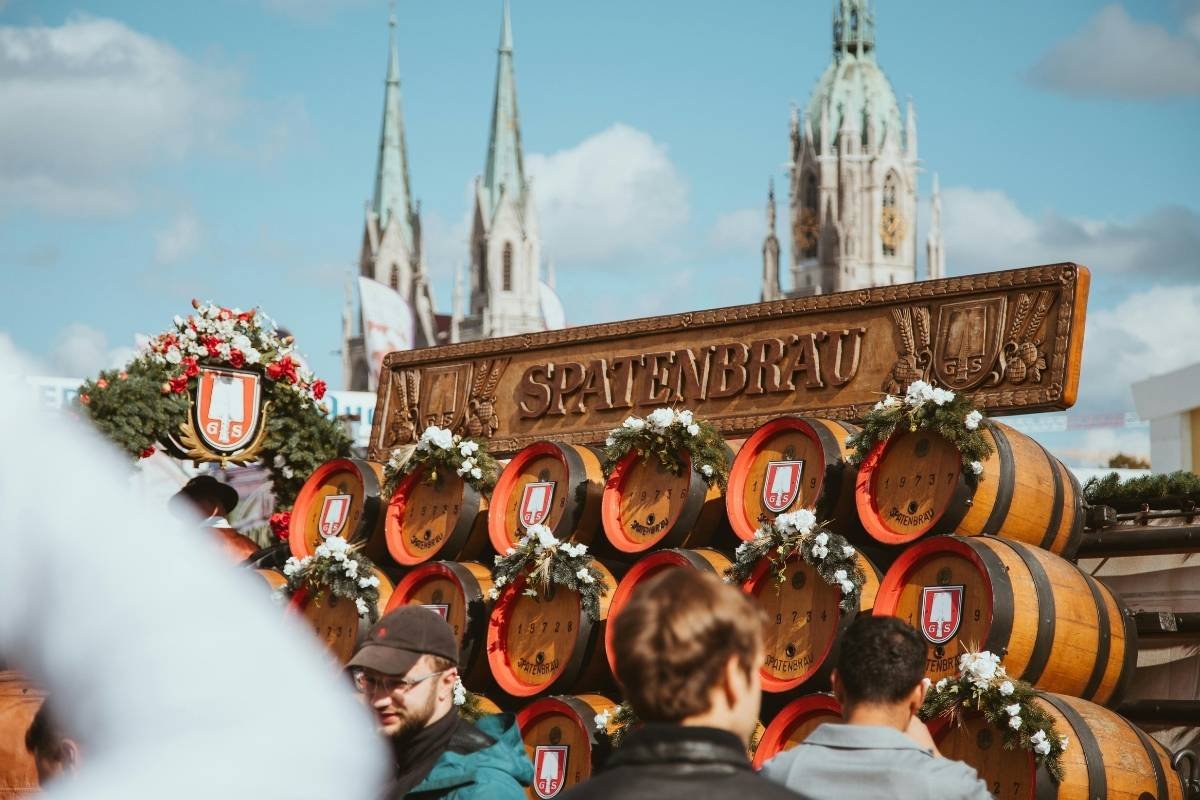
Oktoberfest began with a royal wedding and developed into one of Munich’s most recognizable traditions. Its familiar images—large festival tents, traditional clothing, music and beer mugs—represent a celebration shaped by more than two centuries of change.
Understanding the festival means looking beyond those images. Oktoberfest brings together Bavarian identity, local brewing, public ceremony and the entertainment culture of a large fairground.
Its history also explains why an event named after October takes place largely in September, and why Munich residents often call it simply the “Wiesn.”
How Oktoberfest began
The origins of Oktoberfest date to the marriage of Crown Prince Ludwig of Bavaria and Princess Therese of Saxe-Hildburghausen on October 12, 1810.
The wedding celebrations culminated in a horse race on October 17, held on open ground outside Munich. The meadow was named in honor of the bride and became known as Theresienwiese—the name the festival grounds retain today. The shortened Bavarian name, “Wiesn,” also became a familiar way to refer to the festival itself.
The decision to repeat the celebration in 1811 helped establish an annual tradition. The Bavarian agricultural association took a leading role, connecting public festivities with the presentation of agricultural achievements.
The event subsequently expanded and changed. Large beer halls and tents developed later in the 19th century, gradually creating the setting most visitors recognize today.
Why Oktoberfest takes place in September
The original wedding festivities happened in October, but the festival’s calendar later shifted toward September to take advantage of more favorable weather.
The historical name remained. Today, the celebration generally begins in September and continues into early October, with exact dates varying by year.
For travelers, the name can therefore be misleading. Planning a visit around October alone may mean missing much of the festival.
The traditions that give Oktoberfest its identity
Oktoberfest’s customs have developed at different points in its history. Some recall the festival’s early years; others became established much later.
Together, they give the event a recognizable rhythm.
The ceremonial opening
One of the best-known ceremonies is the mayor of Munich tapping the first keg in the Schottenhamel tent.
The tradition began in 1950 with Mayor Thomas Wimmer. The accompanying Bavarian declaration, “O’zapft is!”, means “It’s tapped!” and has become closely associated with the opening of the festival.
Its relatively recent origin is a useful reminder that traditions can become powerful symbols without dating back to the beginning of an event.
Traditional dress and the parade
Dirndls and lederhosen are among Oktoberfest’s most recognizable visual features. They belong to a wider culture of regional dress, often described using the German word Tracht.
The traditional costume and marksmen’s parade provides a fuller picture of that heritage. Participants include traditional dress groups, musicians and shooting associations, making the procession an opportunity to see regional variety beyond the most familiar festival outfits.
Visitors can participate in the atmosphere by wearing traditional clothing, but it is optional. Ordinary clothes are also accepted at the festival.
Music and shared celebration
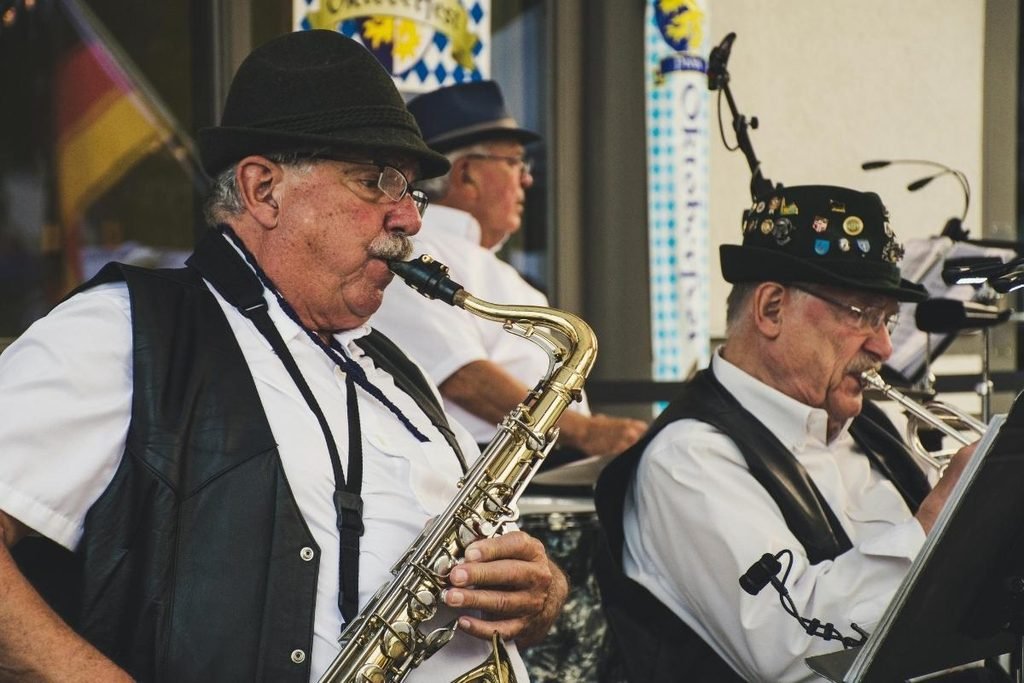
Music helps turn a tent full of separate tables into a shared social space.
Bands, familiar songs and audience participation contribute to the festival’s changing atmosphere throughout the day. The experience depends partly on the tent, its program and the people gathered inside.
For visitors interested in culture, listening is as revealing as looking. Notice how the music shapes participation and how different spaces create different moods.
Munich’s brewing heritage
Beer is central to Oktoberfest’s identity, and its connection to Munich is specific.
Six Munich breweries supply the festival’s beer: Augustiner, Hacker-Pschorr, Hofbräu, Löwenbräu, Paulaner and Spaten. Their participation connects the event with the city’s brewing heritage.
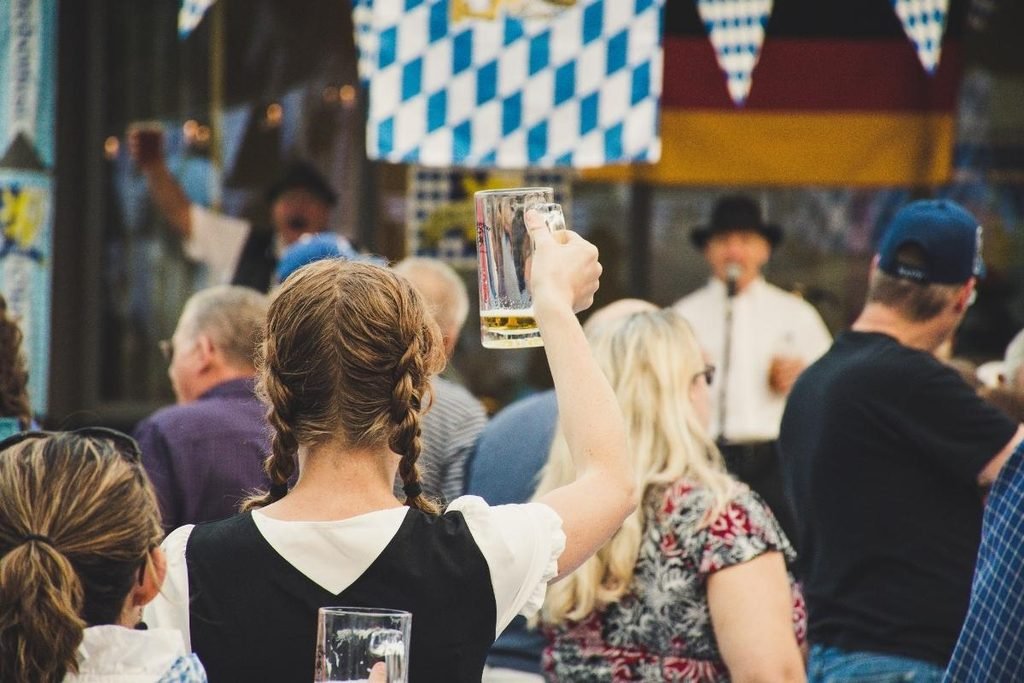
The familiar one-liter serving is called a Maß. Alongside the beer itself, the mugs, service and shared tables contribute to the recognizable experience of the tents.
This local connection matters when interpreting Oktoberfest internationally. An overseas celebration may draw on the imagery and customs of Munich’s festival while offering its own drinks, food and entertainment.
Food and the festival experience
Meals are an important part of the social experience inside the tents.
Food gives groups a reason to settle at a table, spend time together and experience the setting at a different pace from the fairground outside. Individual tents also have distinct food and drink offerings, so they should not be treated as interchangeable spaces.
Oktoberfest’s culinary traditions developed alongside the festival itself. Roast chicken, for example, became part of its history during the 19th century rather than belonging to the original wedding celebration.
That gradual development is part of what makes the festival interesting: familiar customs accumulated over time.
The fairground beyond the tents
Oktoberfest is also a large public fair.
Rides, games and other attractions give the grounds a different character from the interiors of the tents. Moving between these spaces reveals how several experiences coexist within the same event.
The fairground developed gradually. Early celebrations lacked the extensive amusement attractions now associated with the festival, which expanded as entertainment technology and public expectations changed.
For a first visit, exploring the grounds helps place the tents within the broader setting. The event becomes easier to understand as a folk festival with several forms of entertainment.
Bavarian identity and international influence
Oktoberfest has helped make elements of Bavarian culture recognizable far beyond Germany.
Traditional clothing, communal tables, festival music and Munich beer have become a visual vocabulary that international audiences associate with the event.
That recognition can also simplify regional differences. Bavaria has its own traditions, and Oktoberfest should not be treated as a complete representation of everyday life across Germany.
A useful way to understand its international influence is to distinguish between the original Munich festival and celebrations inspired by it. The name and imagery travel easily; the local history remains rooted in Munich.
How to experience Oktoberfest with more context
Begin with the location. Theresienwiese connects the modern event with its royal origins and the open ground where the first celebration took place.
Give yourself time to explore the fairground as well as the tents. Notice how the architecture, music and atmosphere change between spaces.
If your interests include regional traditions, look at the parade program. It provides context that can be harder to find during an ordinary walk through the grounds.
Within a tent, pay attention to the details: the brewery represented, the menu, the decoration and the way people share the space. These observations help turn a famous event into a more specific experience of Munich.
Frequently asked questions
What is the origin of Oktoberfest?
It developed from celebrations marking the 1810 marriage of Crown Prince Ludwig of Bavaria and Princess Therese of Saxe-Hildburghausen. A horse race was a central part of the original festivities.
What does “Wiesn” mean?
It is the local shortened form associated with Theresienwiese, the festival grounds named after Princess Therese. Munich residents also use it to refer to Oktoberfest itself.
Why is Oktoberfest celebrated in September?
The calendar shifted toward September for more favorable weather, while the original name remained.
Do you have to wear traditional clothing?
No. Dirndls and lederhosen are popular, but wearing traditional dress is optional.
Is Oktoberfest only about beer?
Beer is an important part of its identity, alongside food, music, parades, regional dress and fairground entertainment. Exploring those elements gives a fuller understanding of the festival.