
Italian Pasta: Regional Traditions, What to Try and Cooking Classes
 By admin · Updated
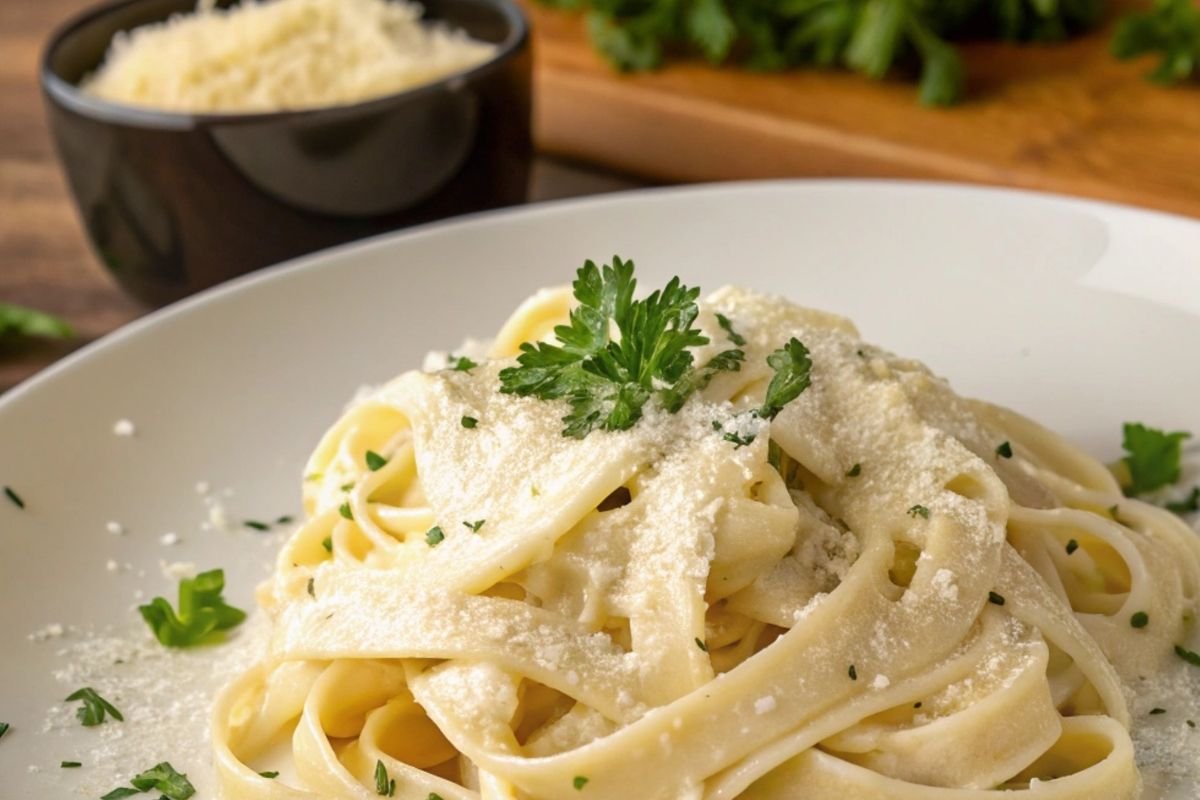
A plate of pasta can tell you something about the place you are visiting. Its shape, ingredients and sauce may reflect a regional tradition, a family recipe or the preferences of the person preparing it.
That variety makes pasta one of the most enjoyable ways to explore Italy. You can taste different interpretations in restaurants, watch a demonstration or join a cooking class and learn how the dough feels beneath your hands.
For a food-focused trip, start with the region on your itinerary. Then choose an experience that helps you understand its pasta rather than simply adding another dish to your list.
Explore pasta-making classes in Italy →
Why Italian pasta varies from region to region
Italian pasta is not one uniform tradition. Shapes and recipes differ across the country, with ingredients, preparation methods and serving styles contributing to that diversity.
Italy’s official tourism website describes a landscape of more than 300 pasta varieties and connects individual shapes with regional recipes. Its examples range from Roman tonnarelli to different interpretations of lasagna.
For travelers, this is an invitation to look beyond the most familiar menu choices. Ask what is characteristic of the area, how the pasta is made and why a particular sauce accompanies it.
Italian pasta varieties to look for
Tagliatelle
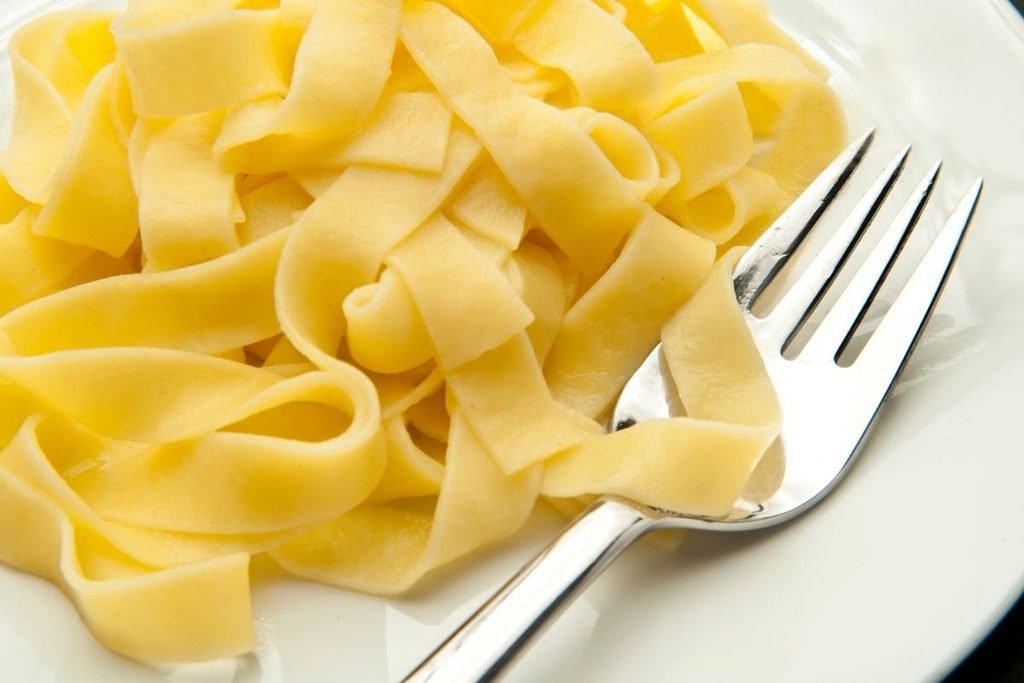
Tagliatelle are an excellent starting point for learning about fresh egg pasta.
Bologna Welcome offers a dedicated class in which participants prepare them from eggs and flour, beginning with mixing and kneading the dough. This makes the shape a useful introduction to the process behind the finished plate.
If you are visiting Bologna, consider a class that gives you time to roll and cut the pasta yourself. The practical work can be as memorable as the meal.
Tortellini and other filled pasta
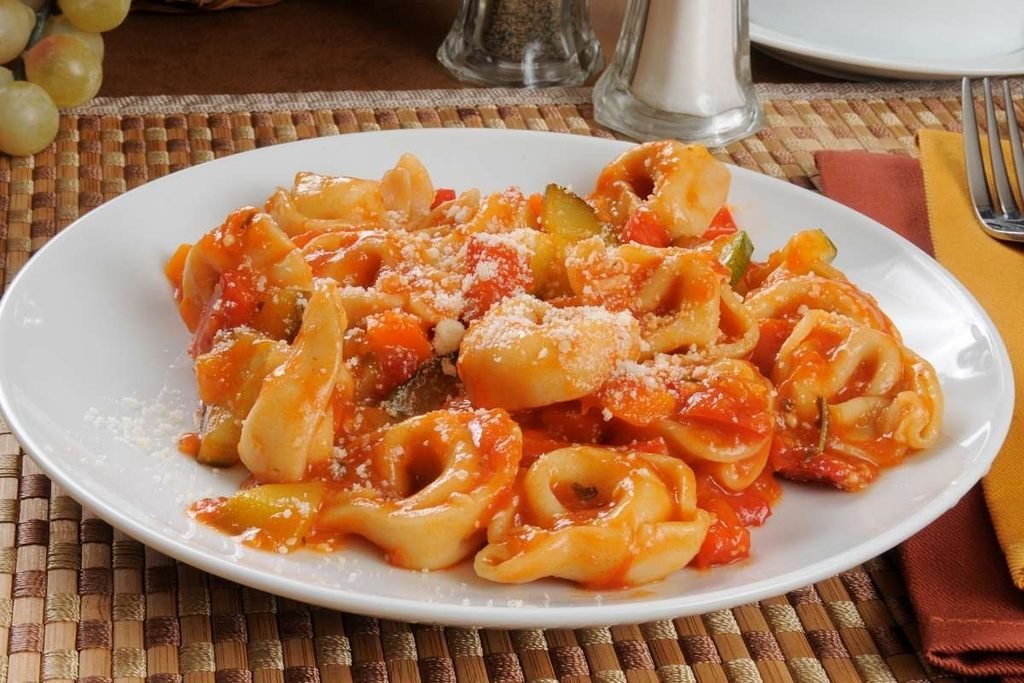
Filled pasta adds another layer of craftsmanship: the dough must become a wrapper, and shaping it is part of the skill.
Bologna’s tourism platform lists tortellini-making experiences alongside other cooking activities. A dedicated class can be a good choice if you enjoy detailed, repetitive work and want to learn a technique you can practice at home.
When comparing classes, look at how much participants make themselves and whether everyone works individually or shares the preparation.
Orecchiette
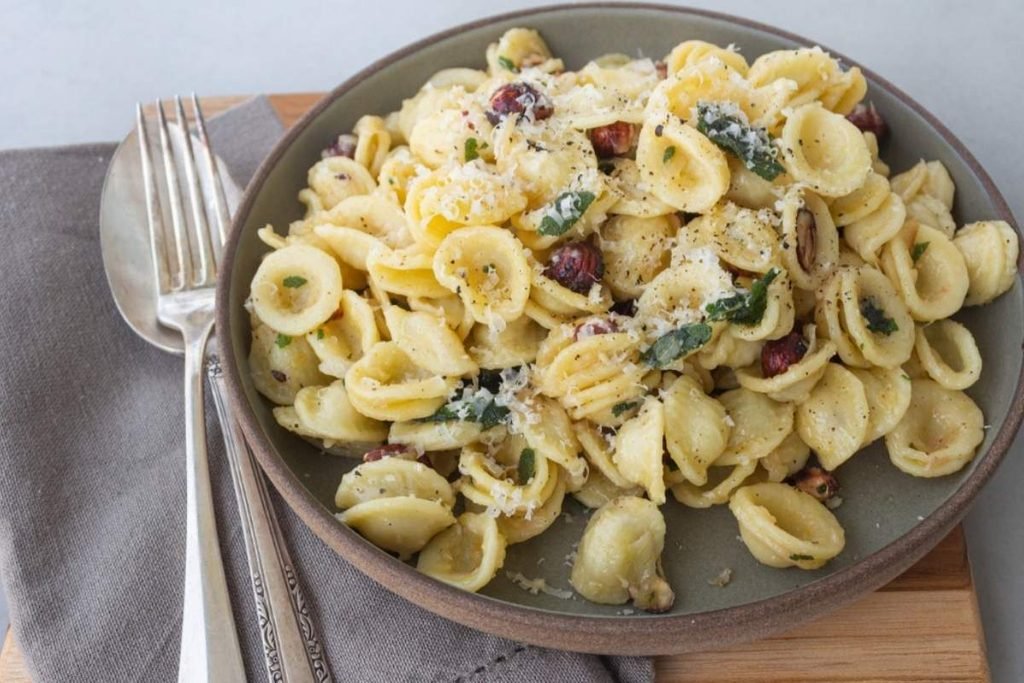
Orecchiette are closely associated with Puglia. Italy’s national tourism website identifies orecchiette with broccoli rabe as an example of the country’s regional culinary traditions.
For a trip through southern Italy, learning about a local hand-shaped pasta offers a different perspective from an egg-pasta workshop.
Choose a class whose description names the shapes you will prepare. That detail helps you find an experience connected to your destination.
Tonnarelli and lasagna
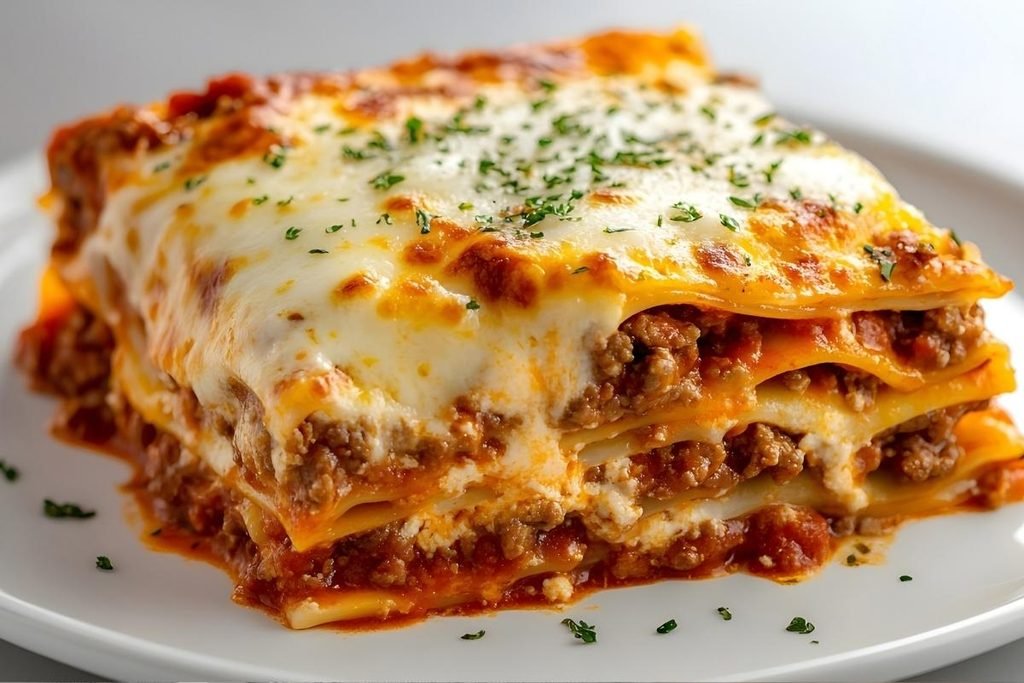
Tonnarelli are associated with Lazio and Roman cooking, while lasagna takes different forms across Italy. The national tourism guide describes regional variations rather than presenting one recipe as the only version.
This is a useful reminder when ordering: a familiar dish name may lead to a different preparation from the one you know at home.
Fresh pasta and dried pasta
Fresh and dried pasta offer different textures and methods of preparation. Neither label alone tells you whether a dish will be good.
For a traveler, the more interesting questions concern how a particular pasta is produced and how it is cooked. Is the experience centered on kneading fresh dough, shaping filled pasta or understanding the relationship between pasta and sauce?
Dried pasta can involve considerable craftsmanship too. Eataly describes bronze extrusion and controlled drying among the methods used by its pasta producers, highlighting the textured surface created during production.
A cooking experience does not need to cover every method. It should give you a clear understanding of the one you are learning.
What can you learn in a pasta-making class?
Depending on the workshop, a class may cover:
- Mixing ingredients and bringing the dough together.
- Kneading and recognizing the desired texture.
- Rolling sheets by hand or with a machine.
- Cutting or shaping pasta.
- Preparing a filling or sauce.
- Cooking and serving the finished dish.
These are points to look for in the description, rather than guaranteed inclusions.
Our preference for a first class would be a manageable menu with meaningful hands-on time. Learning one or two techniques well can be more satisfying than watching several dishes prepared in a hurry.
Compare hands-on pasta classes for your destination →
Where should you book a pasta class?
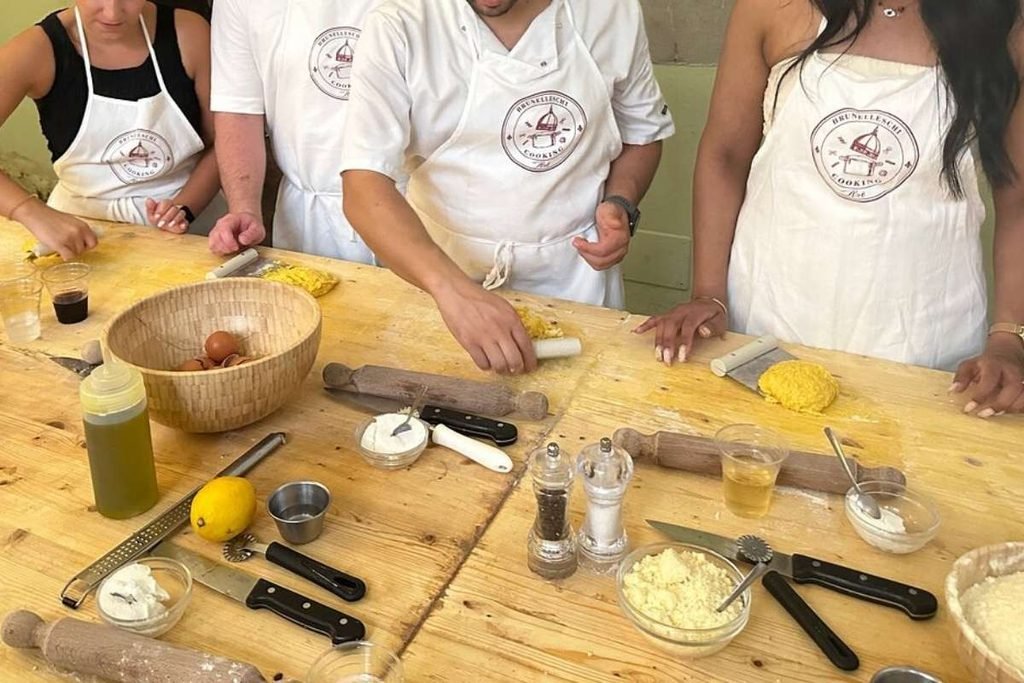
Bologna for a focused introduction
Bologna is a strong option if your itinerary includes the city and you want to concentrate on recognizable local dishes.
Its official tourism platform offers classes centered on tagliatelle, tortellini and broader menus. That variety allows you to choose between learning a particular technique and preparing several dishes.
Elsewhere in Italy: choose the menu first
For other destinations, start with the class menu rather than assuming every “Italian cooking class” teaches the same things.
A Roman workshop, a countryside experience and a southern Italian hand-shaping class may offer very different sessions. Select the one that fits both your interests and your travel route.
Avoid adding a long transfer solely because a listing photographs well. A convenient class with a clear menu and substantial participation can be the better addition to your day.
Cooking class or food tour?
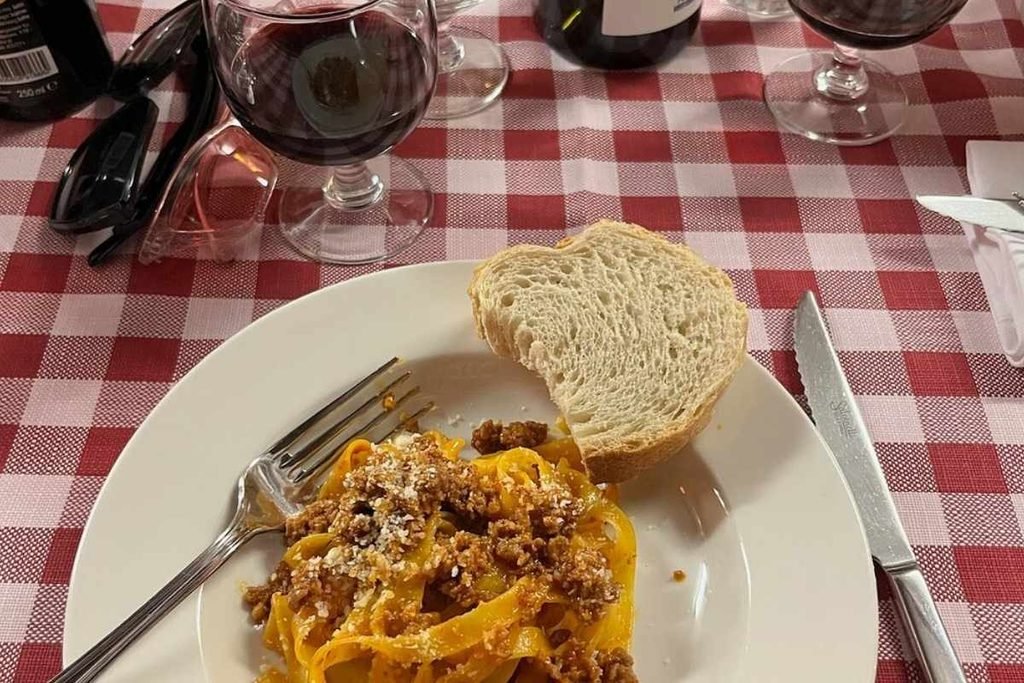
Both can enrich a trip, but they suit different priorities.
| Choose a cooking class if… | Choose a food tour if… |
|---|---|
| You want to learn a technique | You want to sample several foods |
| You enjoy preparing a meal | You prefer exploring streets and food stops |
| You want practical skills to take home | You want an introduction to a destination’s food culture |
| You are happy spending time in one kitchen | You enjoy moving between locations |
A food tour is not necessarily a pasta tour. If pasta is your main interest, choose a route that explicitly includes it.
For travelers spending several days in one destination, the two experiences can complement each other: taste a range of foods first, then learn to prepare a dish that interests you.
Browse Italian food tours and cooking experiences →
What to check before booking
Look for an experience that answers these questions clearly:
How hands-on is it? A demonstration and an individual workstation offer different levels of participation.
What will you make? Named dishes are more informative than a general promise of an Italian meal.
Which language is used? Select an English-language session if that is your preference.
What is included? Check whether the meal, drinks, ingredients and recipe notes form part of the booking.
Can the menu accommodate your needs? Discuss allergies and dietary requirements with the operator before reserving.
Where does it take place? Allow for the journey to the kitchen or meeting point when planning your day.
Bring the experience back to your own kitchen
During the class, pay attention to decisions as well as measurements. Ask what the instructor looks for in the dough, how they judge thickness and when they consider the pasta cooked.
If recipe notes are provided, use them to record what you noticed. A few practical observations can make the recipe easier to repeat than photographs alone.
Choose one dish to make after your trip. Repeating it while the lesson is still familiar helps turn a holiday activity into a lasting skill.
Frequently asked questions
Is fresh pasta always better than dried pasta?
No. They are different products suited to different preparations. Ingredients, production and cooking all matter.
Do you need cooking experience?
Choose a workshop explicitly described as suitable for beginners if this is your first pasta class.
Will every class include filled pasta?
No. Check the menu for tortellini, ravioli or another named filled shape if that is what you want to learn.
Is a food tour a good alternative?
Yes, particularly if you prefer tasting and exploring to cooking. Choose a pasta-focused itinerary when pasta is your priority.
Which class should you book first?
Our suggestion is a beginner-friendly, hands-on class that teaches a named regional pasta, includes a meal and fits comfortably into your itinerary.