
Afternoon Tea in London: British Traditions and How to Choose Your Experience
 By admin · Updated
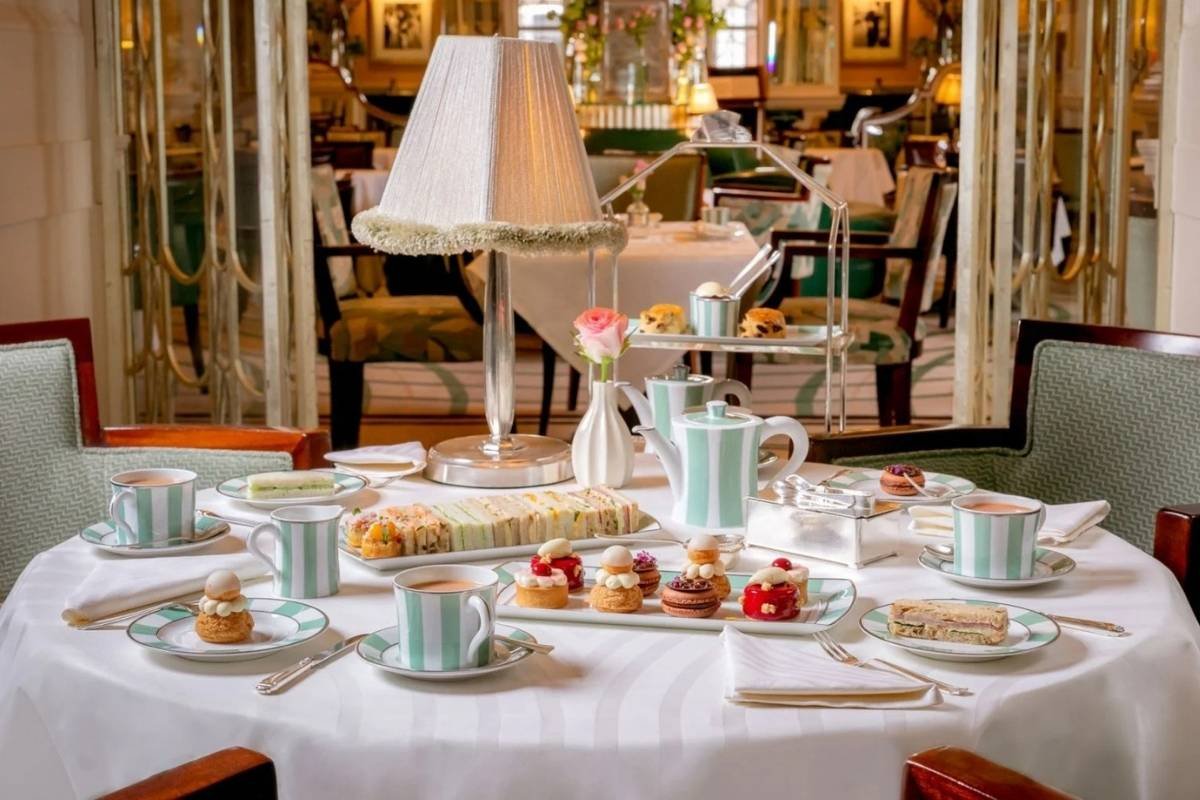
Afternoon tea gives a London sightseeing day a different rhythm. Instead of moving straight from one attraction to another, you settle into a seat, choose a pot of tea and enjoy a succession of small savory and sweet treats.
For travelers, the experience is about more than the menu. The setting might be an elegant hotel, a traditional tea room or a sightseeing experience that combines refreshments with views of the city.
The best choice depends on what you want to remember: the atmosphere, the food, the occasion or the places you see along the way.
Explore afternoon tea experiences in London →
What is British afternoon tea?
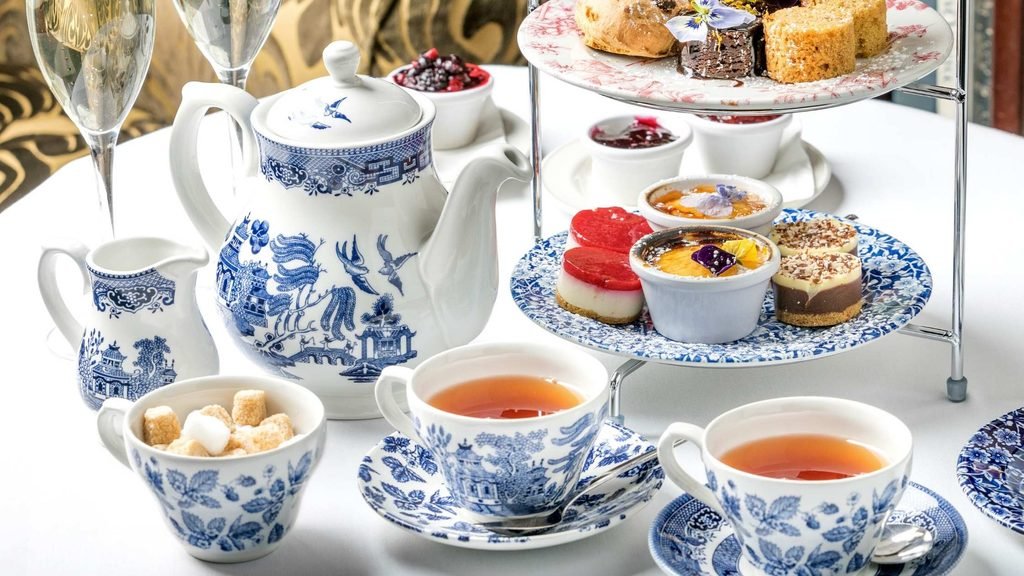
A traditional afternoon tea typically combines tea with finger sandwiches, scones served with cream and jam, and small cakes or pastries. London’s official visitor guide presents these elements as the foundation of the experience, while also highlighting contemporary variations.
It is usually a more substantial occasion than ordering a cup of tea and a slice of cake. Before booking, look at the full menu so you know whether the experience suits a leisurely meal, a celebration or a lighter break.
The presentation matters, but so does the balance of food. If you particularly enjoy savory dishes, compare the sandwich selection rather than choosing entirely from photographs of the desserts.
Where did afternoon tea come from?
The familiar origin story credits Anna, Duchess of Bedford, with popularizing afternoon tea in the nineteenth century.
Historic England notes that the custom is often attributed to the duchess in the 1840s, but also describes earlier examples of taking tea with food. It is therefore more accurate to think of afternoon tea as a tradition that developed over time than as an invention with one undisputed starting point.
Its appeal remains easy to understand: food, conversation and a pause in the day. A modern London booking turns that social ritual into an experience visitors can make part of their trip.
Which afternoon tea experience should you book?
Traditional hotel afternoon tea
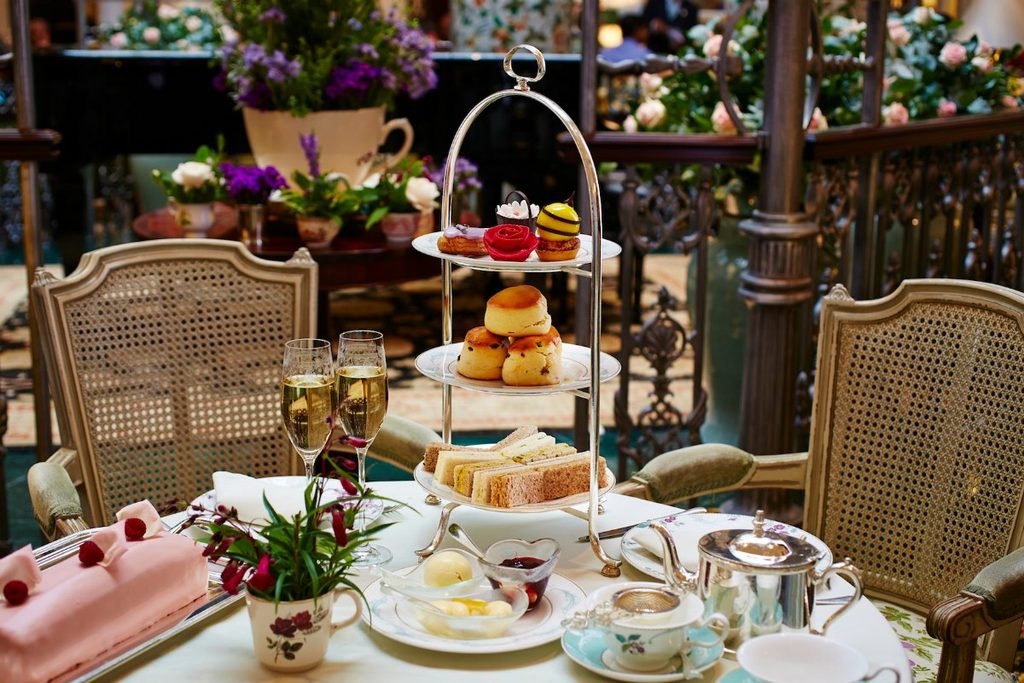
Choose this format if the room, table service and sense of occasion are central to your plans.
Visit London’s traditional afternoon tea guide includes established hotel experiences such as The Ritz, where service in the Palm Court is accompanied by live music. Specific menus, sittings and inclusions should be checked when reserving.
For an anniversary, birthday or special trip, spending more on the setting may be part of the point. Compare the atmosphere as carefully as the menu.
Tea rooms and restaurant experiences
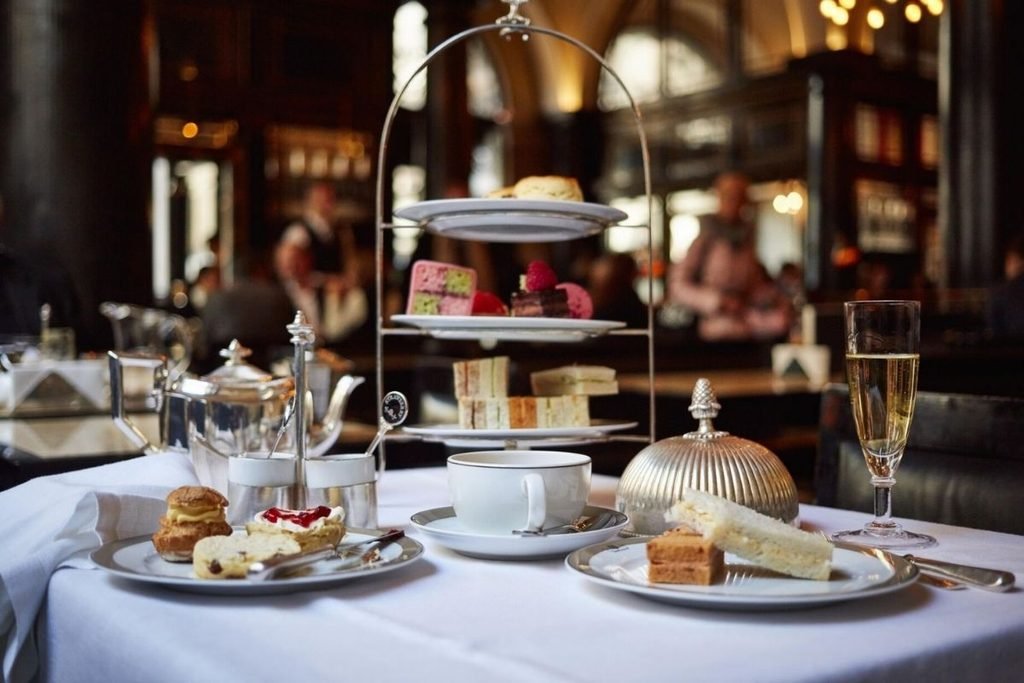
A tea room or restaurant can offer a comfortable introduction without making the visit feel like a formal event.
This is a useful category to explore if you want to fit afternoon tea into a sightseeing day or prioritize the food over a famous hotel address.
London’s official visitor guide also maintains a selection of more affordable options. A lower-priced experience can still deliver the combination of sandwiches, scones and sweet treats that makes the occasion enjoyable.
Sightseeing afternoon tea
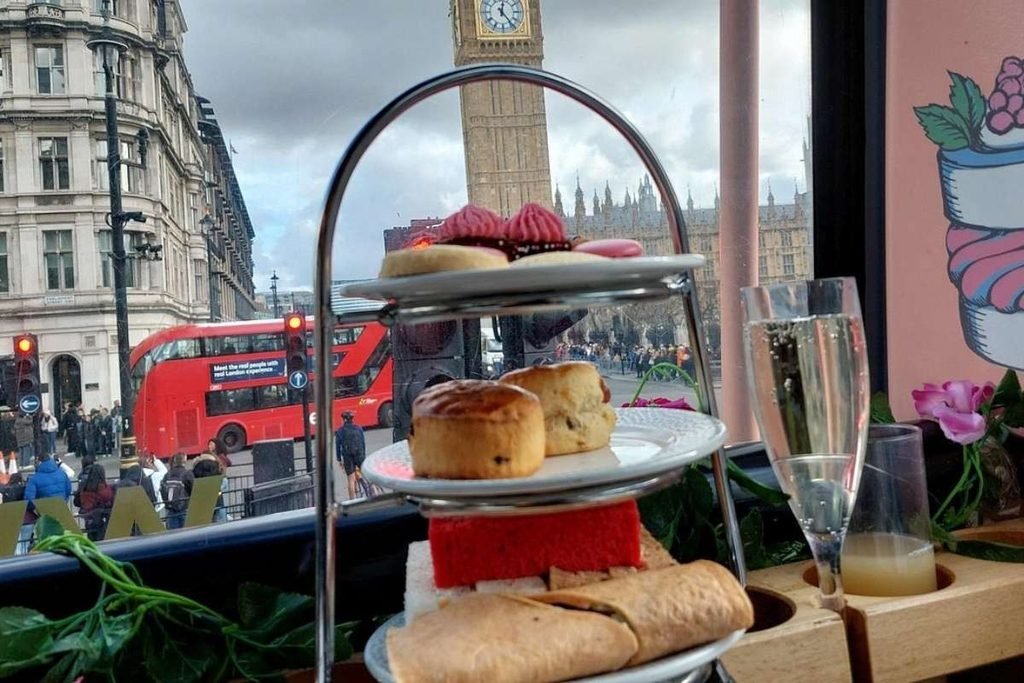
If your London itinerary is short, consider an experience that combines afternoon tea with sightseeing.
Visit London lists afternoon tea bus experiences among its options. These suit travelers who enjoy the idea of watching the city pass while sharing food and conversation.
Look at the route, departure point and seating arrangements. Choose this format for the moving-city experience; choose a stationary venue if lingering over the table is your priority.
Creative and contemporary menus
You do not have to choose a strictly traditional menu to enjoy the occasion.
London’s afternoon tea offerings include interpretations with different culinary influences and settings. The city’s official Afternoon Tea Week guide highlights examples ranging from Indian-inspired savory dishes to a high-rise afternoon tea experience.
For repeat visitors, a contemporary menu can make afternoon tea feel like a new experience rather than a repeat of a previous trip.
What to compare before reserving
Use these questions to narrow your choice:
| Detail | What to look for |
|---|---|
| Menu | A balance of savory and sweet dishes you will enjoy |
| Tea selection | Included teas and any supplements |
| Setting | Formal room, relaxed restaurant or sightseeing format |
| Drinks | Whether sparkling wine or other extras are included |
| Dietary needs | Availability of a suitable menu and advance-notice requirements |
| Location | A convenient stop within your day’s route |
| Booking terms | Seating duration, cancellation conditions and service charges |
A photograph of a tiered stand tells you little about the overall booking. The menu and inclusions reveal whether it is the right experience for your occasion.
Check afternoon tea availability for your London dates →
Do you need to dress up?
Dress expectations depend on the venue, so use the policy attached to your chosen booking.
For example, Fortnum & Mason states that it does not enforce a dress code in its restaurants. That should not be treated as a rule for every London afternoon tea venue.
Our suggestion is to choose an outfit that feels comfortable for the setting and the rest of your day. If dressing up is part of the celebration, select a venue whose atmosphere makes that enjoyable.
Afternoon tea etiquette without the anxiety
You do not need to memorize a set of elaborate rituals to enjoy afternoon tea.
Start by listening to the server’s introduction. Ask about unfamiliar teas, how the menu is served and which items they suggest enjoying first.
A few practical habits make the experience easier:
- Give yourself time to enjoy each part of the service.
- Ask before assuming extra food or drinks are included.
- Keep photographs brief so the occasion remains about the table as well as the camera.
- Let the staff know about dietary needs before the visit.
Think of etiquette as consideration for your companions, staff and other guests. There is no need to turn a relaxing afternoon into a test.
Choosing for dietary requirements
If anyone in your group has an allergy or dietary requirement, make this part of your booking decision.
Look for a menu that is explicitly offered for those needs, then contact the venue about preparation and any cross-contact concerns. Confirm the details before paying rather than relying on a general description such as “vegetarian options available.”
The right venue is one where everyone can participate comfortably in the experience.
How to fit afternoon tea into your itinerary
Our planning suggestion is to leave around 90 minutes to two hours, subject to your venue’s seating policy. This is an itinerary allowance, not a universal service duration.
Choose somewhere near the area you are already exploring. A convenient location lets afternoon tea become a natural pause rather than another cross-city journey.
Read the menu before planning lunch or dinner. A full afternoon tea can be generous, so leaving some flexibility around your other meals makes the day easier.
For a special occasion, reserve the experience first and arrange nearby sightseeing around it.
Is afternoon tea worth booking in London?
Afternoon tea is especially worthwhile if you enjoy food experiences that combine setting, service and a sense of place.
A traditional venue can make a celebration feel special. A relaxed tea room offers a slower moment in a busy itinerary. A sightseeing format adds another way to experience the city.
Choose the version that fits your trip, compare what is included and give yourself time to enjoy it.
Frequently asked questions
What is normally served?
A traditional menu generally includes tea, finger sandwiches, scones with cream and jam, and small cakes or pastries. Individual menus vary.
Should you book in advance?
We recommend reserving once you have chosen your venue and date, especially if you need a particular sitting or dietary menu.
Is sparkling wine always included?
No. Check whether your booking includes it, offers it as an upgrade or charges separately.
Can you book a less formal experience?
Yes. Compare tea rooms, restaurants and sightseeing formats alongside traditional hotel experiences.
How much time should you allow?
Our suggested allowance is 90 minutes to two hours, adjusted to the seating duration specified by the venue.
Which format is best for a first visit?
Choose a traditional tea room or hotel if the British afternoon tea ritual is your priority. Consider a sightseeing format if you want to combine the occasion with views of London.