
Historic Neighborhoods of Paris: Where to Walk, What to See and Which Tour to Choose
 By Robson Caitano · Updated
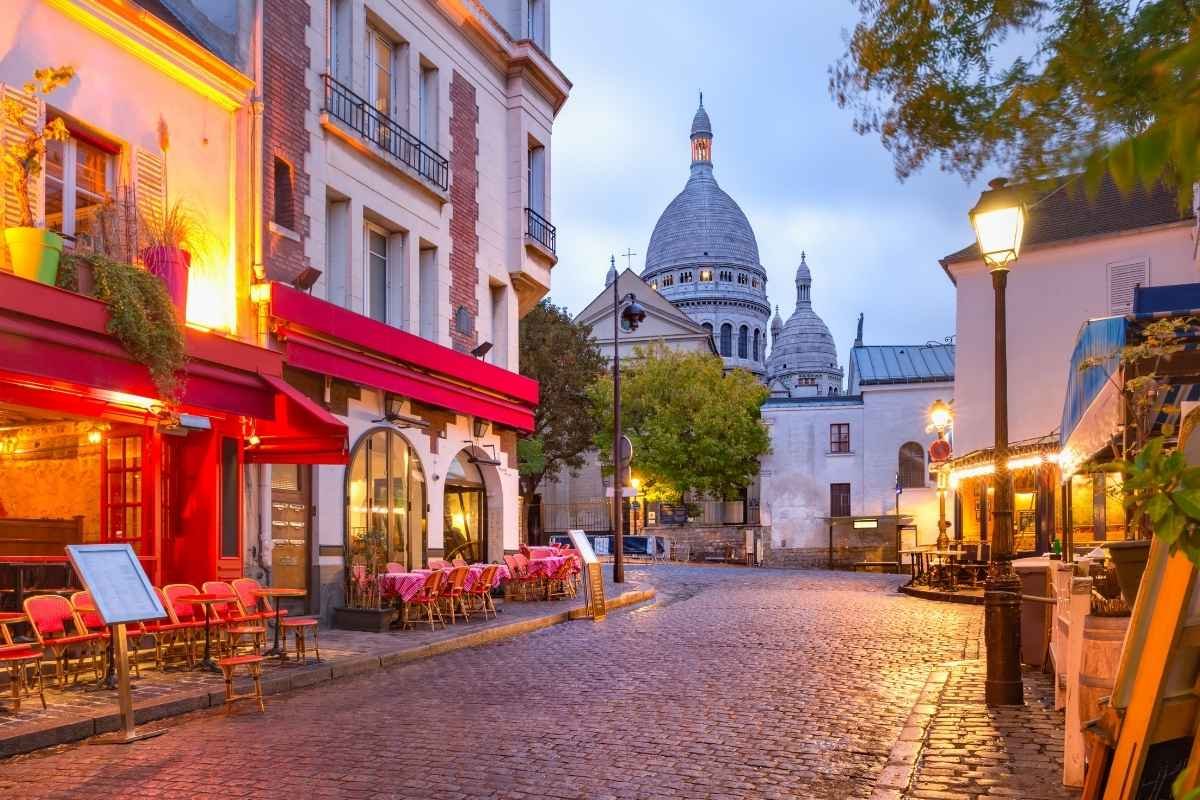
Some of the most rewarding moments in Paris happen between its famous monuments. A courtyard glimpsed through a gateway, a street lined with old façades or a café associated with writers can give a neighborhood its own place in your memory.
Exploring these districts on foot brings the city’s history into focus. Rather than crossing Paris to collect landmarks, choose an area and spend time understanding how its streets, buildings and communities fit together.
This guide introduces five historic areas with different personalities, and helps you choose a walking tour that turns an enjoyable stroll into a richer experience.
Browse Paris neighborhood walking tours →
Which historic Paris neighborhood should you explore?
Our suggested starting points depend on what interests you most:
| Area | Choose it for |
|---|---|
| Le Marais | Historic mansions, courtyards and cultural heritage |
| Latin Quarter | University history and a varied Left Bank walk |
| Saint-Germain-des-Prés | Literary cafés, galleries and cultural history |
| Île de la Cité | Major monuments and a central riverside setting |
| Montmartre | Hillside streets, artistic associations and distinctive views |
For a first visit, pick one area for a guided introduction and leave time afterward to explore independently.
1. Le Marais: mansions, courtyards and layers of history
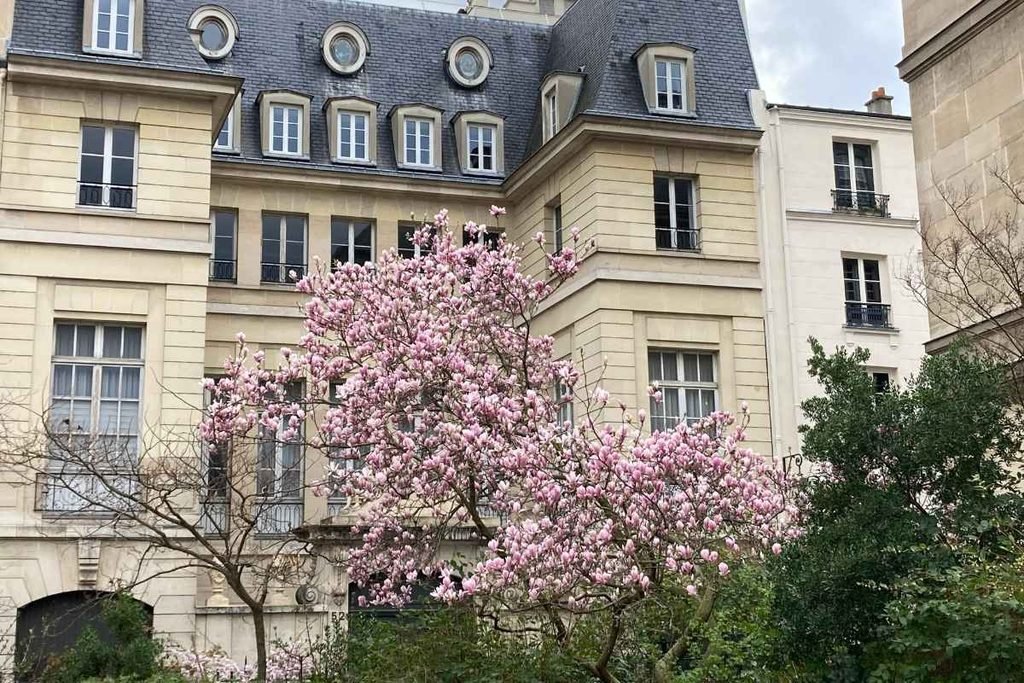
Le Marais is a strong choice if you want architectural detail alongside lively streets.
The Musée Picasso Paris describes the district as an important witness to aristocratic architecture of the seventeenth and eighteenth centuries, as well as later industrial activity. Its historic buildings therefore offer more than a decorative backdrop: they help explain the neighborhood’s changing uses.
Paris’s tourism office also highlights the district’s Jewish heritage and LGBTQ+ life, reminding visitors that its identity comes from communities as well as buildings.
How to explore it
Alternate between broad street views and closer attention to entrances, stonework and courtyards open to visitors. Avoid assuming an open doorway means a private building is accessible.
For a guided visit, choose a theme: architectural history, Jewish heritage or a food-focused introduction. Each brings a different perspective to the same streets.
Find a Le Marais walking tour →
2. The Latin Quarter: learning and Left Bank history
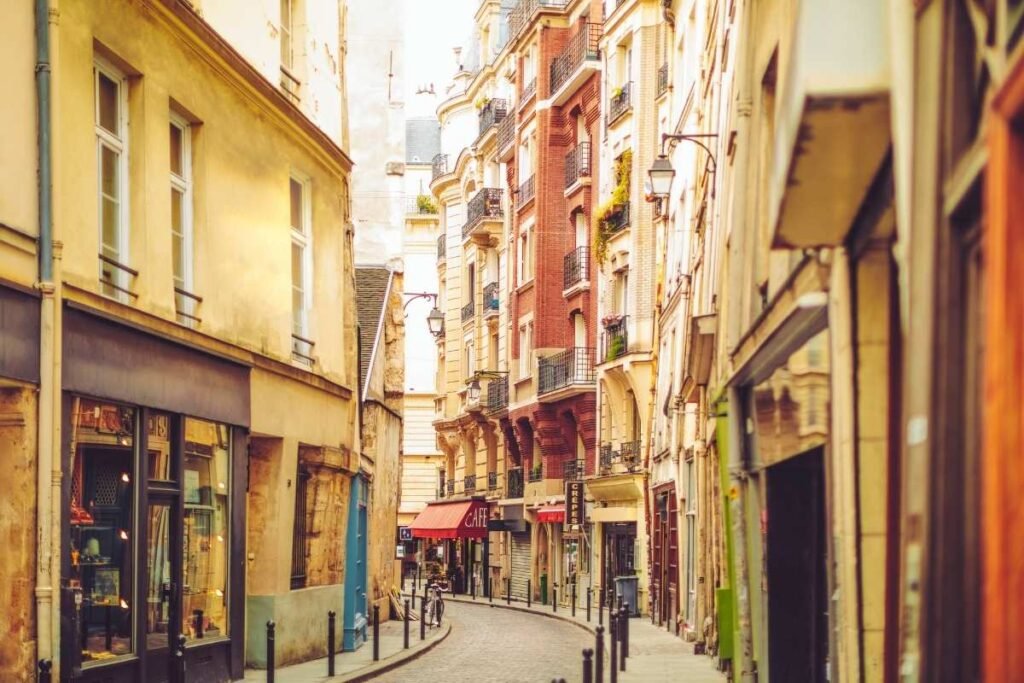
The Latin Quarter suits travelers who enjoy connecting institutions with the streets around them.
The official tourism guide includes the Sorbonne, Collège de France, Rue Mouffetard and Place de la Contrescarpe among the area’s points of interest. Together, they offer a route through academic landmarks and neighborhood life rather than a single monumental stop.
How to explore it
Choose a few anchors for your walk, then leave room to examine the streets between them. A route centered on the Sorbonne will feel different from one that spends more time around Rue Mouffetard.
A history-focused tour can help connect locations that might otherwise seem unrelated. Look for an itinerary whose theme interests you, whether that is education, notable residents or the district’s changing role in Paris.
Explore Latin Quarter guided walks →
3. Saint-Germain-des-Prés: literary cafés and cultural life
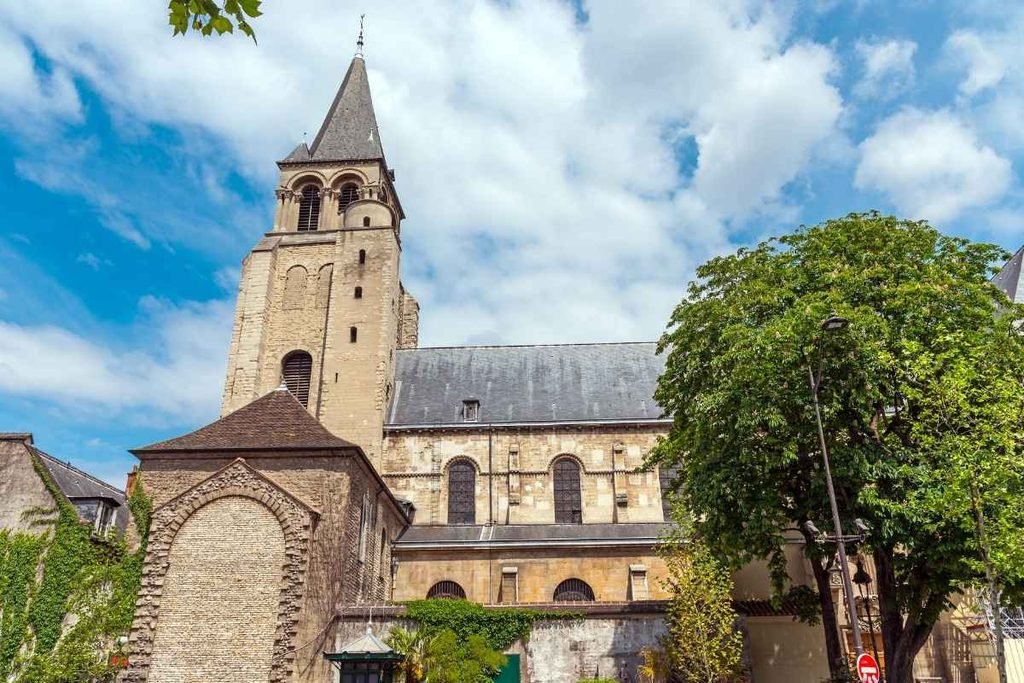
Saint-Germain-des-Prés is especially appealing if your idea of exploring includes a café stop.
Paris’s tourism office identifies Café de Flore and Les Deux Magots as meeting places associated with the city’s twentieth-century literary and artistic circles. Its suggested neighborhood walk also connects the area with places such as the Pont des Arts and Luxembourg Gardens.
The pleasure here is in combining places rather than treating a famous café as the whole experience.
How to explore it
Plan a walk with a cultural theme, then choose somewhere to pause afterward. Look at the relationship between the main boulevard and the smaller streets instead of following only the best-known addresses.
For guided experiences, consider literary history or a food-focused route. If tastings are part of the appeal, select a product that names what is included.
Compare Saint-Germain-des-Prés walking and food tours →
4. Île de la Cité: monuments beside the Seine

Île de la Cité offers a central setting for an introduction to historic Paris.
The tourism office highlights Notre-Dame and Pont Neuf among the island’s landmarks and emphasizes its position between the city’s two banks. That geography makes it a useful place to understand how river crossings connect different parts of the capital.
How to explore it
Begin by looking at the island as part of the river landscape. Walk toward the quays and bridges, then return to the monumental buildings with that wider setting in mind.
A guided walk can provide an overview, while a monument-focused experience may add an interior visit. Choose according to how much time you want to spend in buildings versus exploring outdoors.
For a combined tour, check the named admissions so you know which interiors form part of the experience.
Find Île de la Cité and historic Paris tours →
5. Montmartre: hillside streets and a different view of Paris
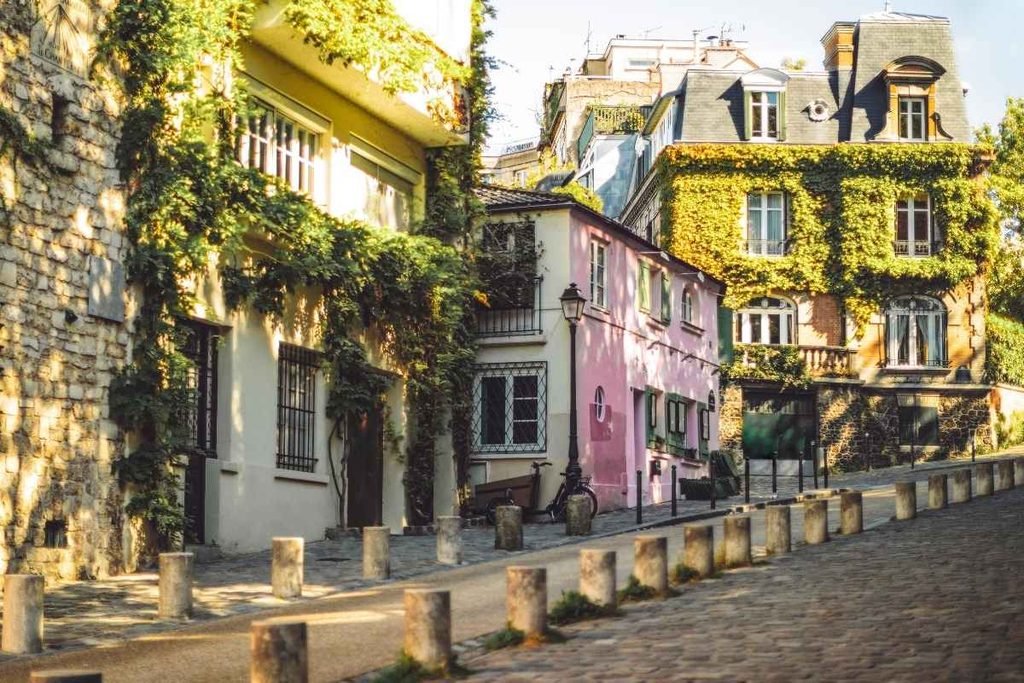
Montmartre changes the rhythm of a sightseeing day. Its hillside setting encourages a route that unfolds through streets, steps and successive viewpoints.
The official neighborhood walk connects places such as the Abbesses area with Sacré-Cœur, providing a useful framework for exploring beyond the basilica alone.
How to explore it
Choose a walking route that spends time in the neighborhood rather than heading straight to one viewpoint and leaving.
A guide can help connect its artistic associations and street-level details. Depending on your interests, a history walk, cinema-themed tour or food experience can give the visit a clear focus.
Because routes can involve slopes and steps, review the walking requirements when choosing your departure.
Browse Montmartre guided tours →
Why book a neighborhood walking tour?
A good walking tour gives you more than directions. It can explain the significance of a façade, connect a street with a former resident and show how a neighborhood changed over time.
That context is particularly valuable in Paris, where several periods of history may be visible within a short walk.
Choose the experience around your interests:
- Architecture: building styles, former residences and urban change.
- Cultural history: writers, artists and the places associated with them.
- Community heritage: a focused introduction to a neighborhood’s people and institutions.
- Food: a route combining local history with specified tastings.
Paris’s official tourism booking platform lists neighborhood tours with themes including Jewish heritage in Le Marais and cinema in Montmartre, illustrating the variety of approaches available.
Compare Paris walking tours for your travel dates →
How to choose the right tour
Start with the neighborhood, then compare the experience itself.
Look at the actual route. A title can be broad; the itinerary tells you where you will spend your time.
Select your language. Choose a departure explicitly offered in English if that is your preference.
Review group size and duration. Smaller groups may suit travelers who want more conversation, while a longer route needs more room in your day.
Check the finish point. This helps you plan lunch, an independent walk or your next booking.
Match the pace to your needs. Slopes, steps and standing time matter as much as total distance.
Planning your neighborhood time
Our suggestion is to reserve a half-day for one guided walk plus time afterward for a café, photographs or further exploring. Adjust that allowance to the duration of your chosen tour.
For two nearby areas, consider the Latin Quarter and Saint-Germain-des-Prés as separate parts of a Left Bank day. Keep Montmartre for its own outing rather than squeezing it into a rushed cross-city route.
The aim is to leave enough time to notice what makes each place different.
Frequently asked questions
Which neighborhood should you choose first?
Our pick is Le Marais for a mix of architecture and cultural heritage, or the Latin Quarter for a history-focused Left Bank introduction.
Can you explore independently?
Yes. A guided tour adds interpretation and an organized route; independent time afterward lets you return to places that caught your attention.
Which area suits a literary-themed walk?
Saint-Germain-des-Prés is a strong starting point because of its café and cultural associations.
Are walking tours suitable for everyone?
Requirements vary. Check distance, steps, slopes and accessibility with the operator, particularly for Montmartre.
Should you visit all five areas in one day?
We would spread them across your trip. Choosing fewer neighborhoods per day leaves more time for the details that make walking through Paris worthwhile.
Keep exploring

Élysée Palace, Paris: History, Visiting Options and Nearby Tours
The Élysée Palace is one of the most recognizable addresses in French public life, yet it offers a different experience from the…
Read the guide