
Élysée Palace, Paris: History, Visiting Options and Nearby Tours
 By admin · Updated
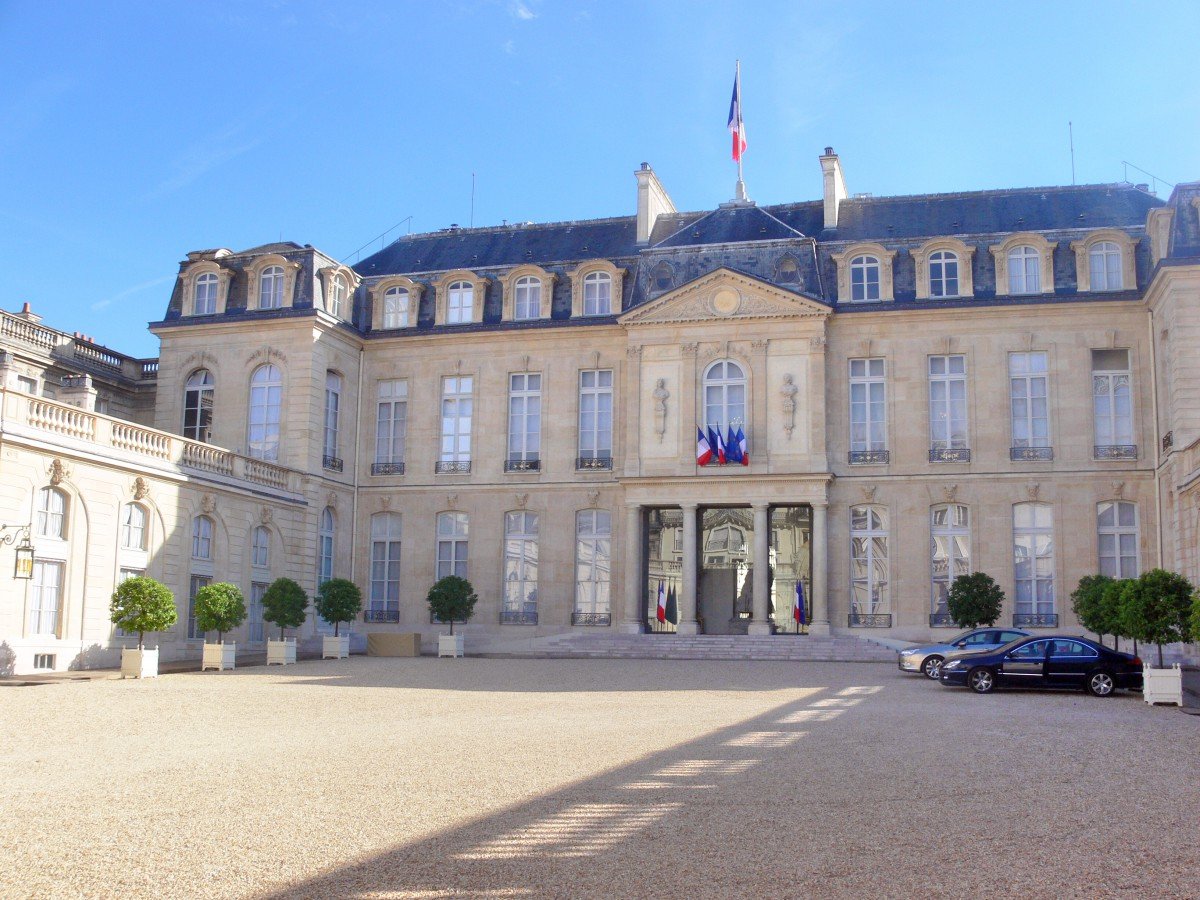
The Élysée Palace is one of the most recognizable addresses in French public life, yet it offers a different experience from the grand monuments that dominate many Paris itineraries.
Located on Rue du Faubourg Saint-Honoré, the presidential residence connects the city’s aristocratic past with the workings of modern France. For travelers, the most rewarding approach is to combine its history with a visit to Maison Élysée and a walk through the surrounding neighborhood.
Here is how to make the palace part of a Paris itinerary, and how to choose an experience that brings its story into focus.
Where is the Élysée Palace?
The palace is at 55 Rue du Faubourg Saint-Honoré, in the 8th arrondissement of Paris.
Paris’s official tourism office identifies it as the presidential residence and notes that public visits to the palace itself take place during European Heritage Days. It is therefore important to distinguish between seeing the palace’s exterior, visiting Maison Élysée and entering the presidential residence.
These are separate experiences, each offering a different perspective on the same institution.
From aristocratic residence to presidential palace
The building began as a private mansion rather than a seat of government. Built and decorated between 1718 and 1722, it was designed by architect Armand-Claude Mollet for the Count of Évreux.
Its subsequent history connects a succession of owners and uses with the political changes that shaped France. The official Élysée heritage presentation follows that development from its eighteenth-century origins through the monarchy and later republics.
That background gives the palace its interest as a travel stop. You are looking at a residence adapted across generations, rather than a building created from the outset for its present role.
Can you visit inside the Élysée Palace?
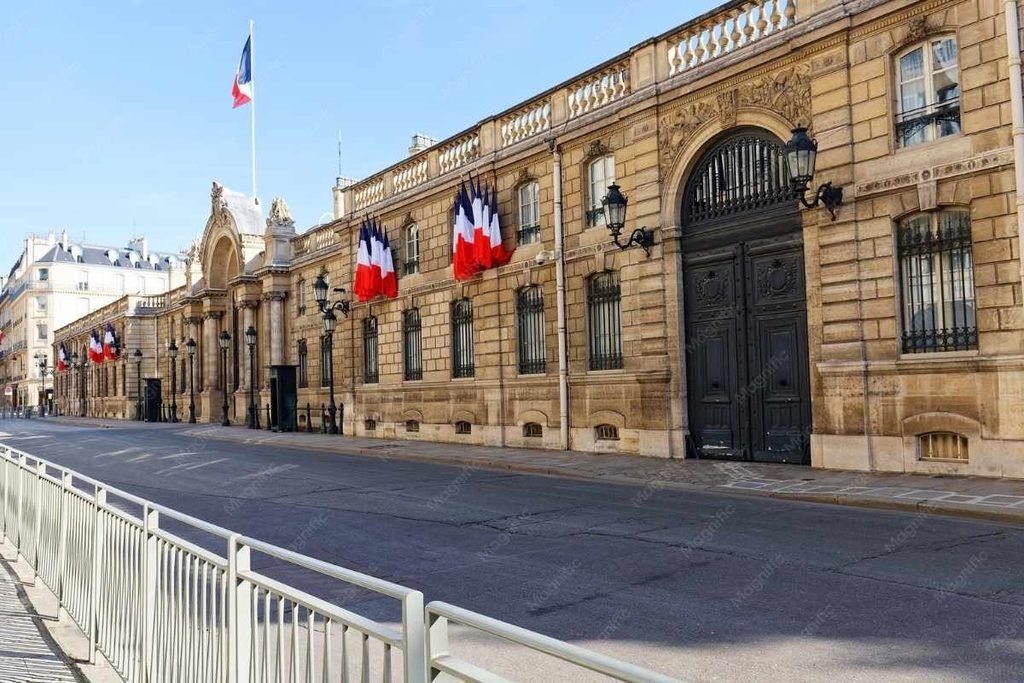
Interior visits are exceptional, rather than part of an ordinary daily sightseeing schedule.
For the 2026 European Heritage Days opening, the presidency required visitors to register in advance. Future openings and booking arrangements should be checked through the official Élysée announcements.
If entering the palace is a priority, plan around an announced opening. For a visit at another time of year, Maison Élysée provides a practical way to explore the institution’s history nearby.
Visit Maison Élysée
Maison Élysée is a separate visitor space at 88 Rue du Faubourg Saint-Honoré, opposite the palace.
Its exhibitions explore presidential life and the history of the residence through objects, displays and an immersive presentation tracing the palace’s evolution from 1722 onward. It gives visitors context that an exterior stop alone cannot provide.
This makes it a useful addition for travelers interested in French history, decorative arts or the behind-the-scenes work associated with the presidency.
Explore the neighborhood with a Paris walking tour
The palace also makes a meaningful stop within a wider exploration of Paris.
When comparing walking tours, look for an itinerary that explicitly includes the Élysée Palace area or Rue du Faubourg Saint-Honoré. A history-focused guide can help connect the residence with the political and social changes that shaped the capital.
For architecture enthusiasts, choose a route that spends time interpreting the streets and façades. For a first visit to Paris, a broader orientation walk may fit better.
The value of a guided experience lies in those connections: understanding why a place matters, how it relates to the surrounding city and what its exterior alone leaves unexplained.
Browse Paris history and walking tours →
A neighborhood walking tour usually concerns the exterior and surrounding streets. Palace interior access must be specifically included and supported by an official opening.
A suggested plan for your visit
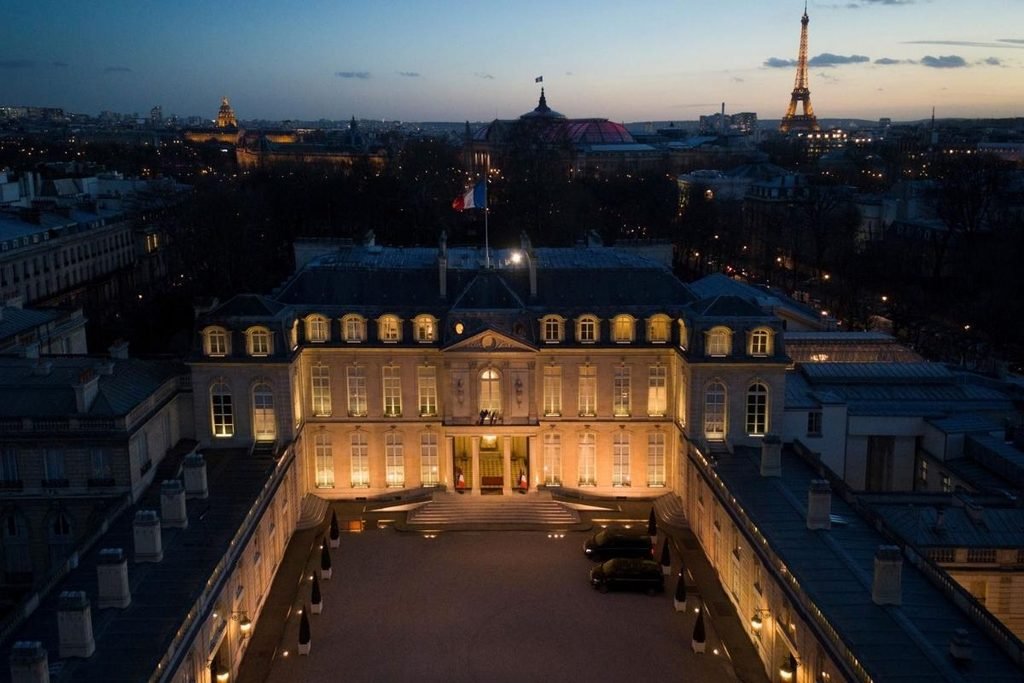
Our recommendation is to build the visit around your main interest.
For presidential history: start with Maison Élysée, then see the palace exterior from areas accessible to pedestrians.
For architecture and photography: combine an exterior stop with a neighborhood walk, allowing time to study the streetscape.
For a guided introduction: choose a tour whose published route includes this part of Paris, then add Maison Élysée if it is not already included.
As a planning allowance, reserve approximately 15–20 minutes for an exterior stop, plus separate time for an exhibition or guided visit. This is our itinerary suggestion, not an official visiting duration.
Because the palace is a working presidential residence, follow instructions at the site and adapt your route to any access restrictions.
What should you photograph?
An exterior visit works best when you think beyond a single photograph of the entrance.
Look for architectural details visible from permitted public areas and wider views that place the residence within its street setting. Avoid assuming that an exterior stop will provide views of the palace’s private gardens or ceremonial interiors.
For a travel gallery, captions should clearly distinguish the palace exterior from photographs taken inside Maison Élysée. They tell related stories, but they are different locations.
Is the Élysée Palace worth including in your itinerary?
The palace is a worthwhile addition for travelers curious about French political history and the relationship between private residences and public institutions.
For most visits, we would pair the exterior with Maison Élysée or a relevant guided walk. That combination turns a brief address check into a more substantial experience, with the history needed to appreciate what you are seeing.
Frequently asked questions
Is Maison Élysée inside the palace?
No. It is a separate visitor space opposite the palace, at 88 Rue du Faubourg Saint-Honoré.
Can you book a regular palace interior tour?
Public interior access is exceptional. Check official announcements for openings and registration requirements.
Are guided visits available in English?
The official practical-information page lists English-language guided visits to Maison Élysée. Confirm departure availability when booking.
Does a walking tour include entry to the palace?
Only if that access is explicitly included and corresponds to an authorized opening. An exterior or neighborhood tour is a different experience.
What is the best way to include it in a Paris trip?
Combine the exterior with Maison Élysée for historical context, or choose a walking tour that includes the surrounding area.
Keep exploring
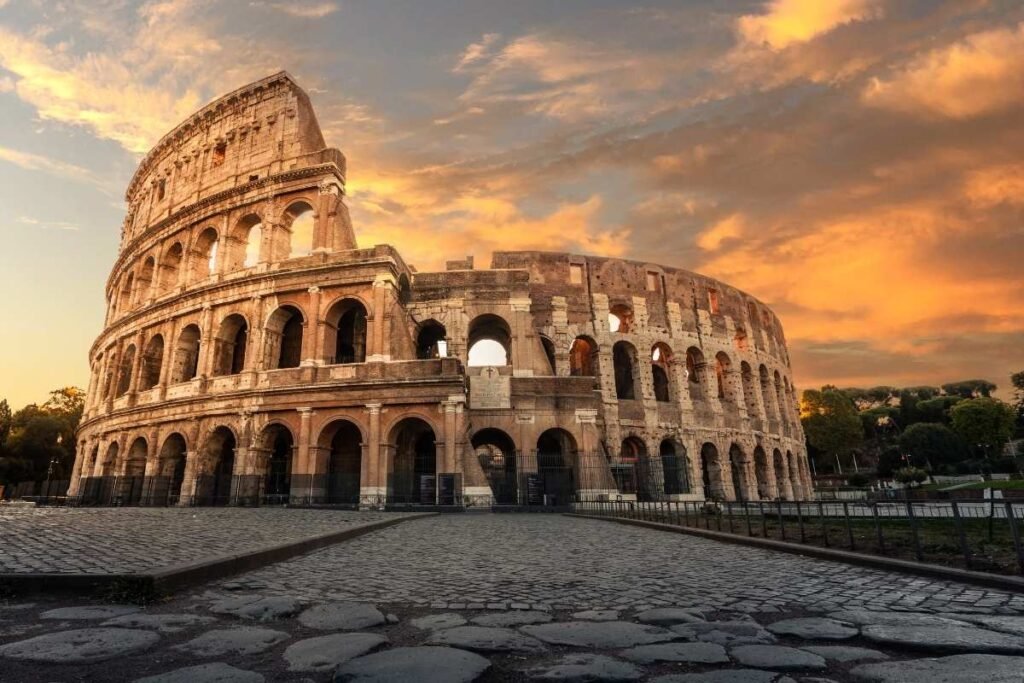
The Colosseum: Ancient Roman Engineering and Cultural Legacy
The Colosseum is one of Rome’s most recognizable landmarks, but its importance extends far beyond its appearance. Built for public spectacles, the…
Read the guide
Historic Neighborhoods of Paris: Where to Walk, What to See and Which Tour to Choose
Some of the most rewarding moments in Paris happen between its famous monuments. A courtyard glimpsed through a gateway, a street lined…
Read the guide